


The Blazer Roadmap
A well-fitted blazer is not just an outfit, it’s a statement of precision, craftsmanship and self-assurance. Here are five essential details to check before you invest in your next coat or blazer.
1. Shoulder Drape: No Dimples, No Distractions
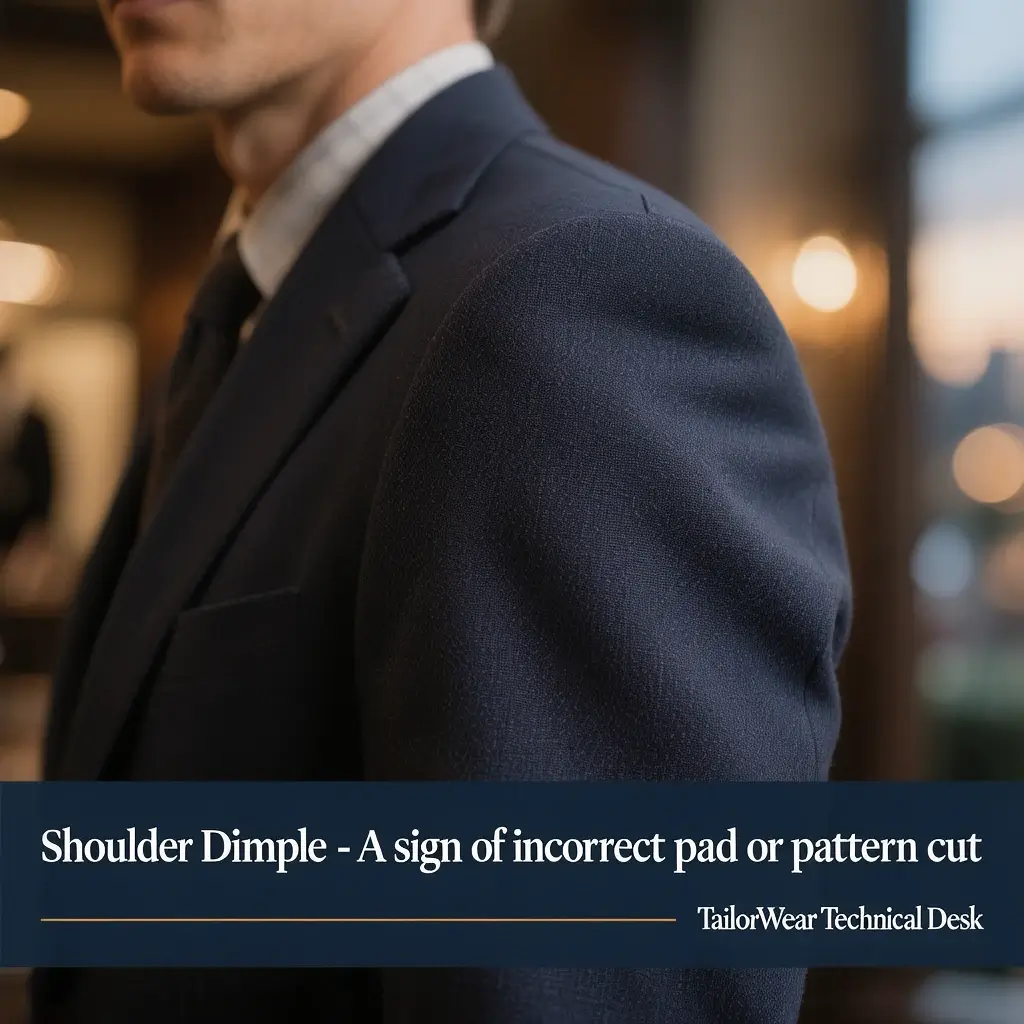
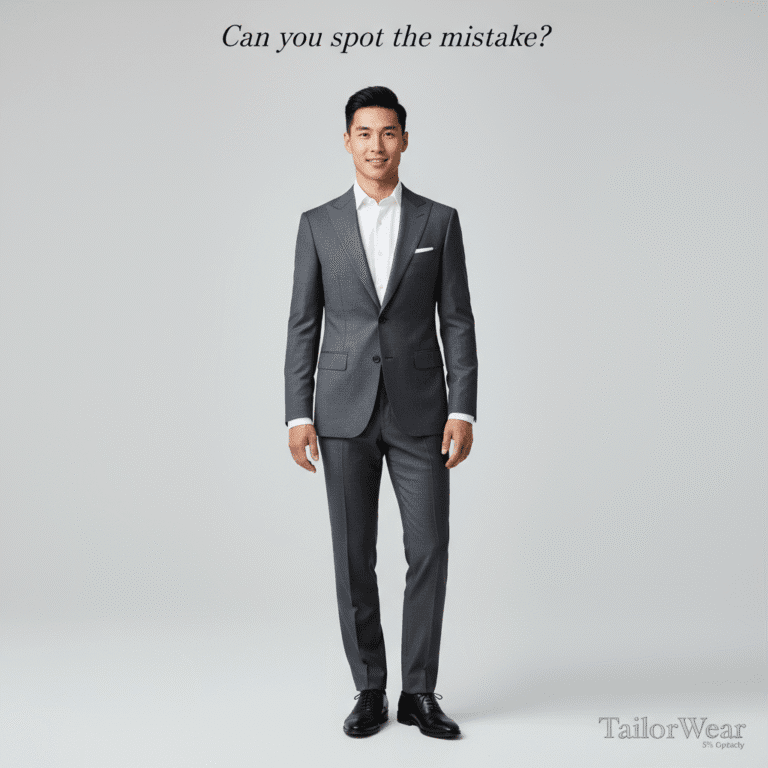
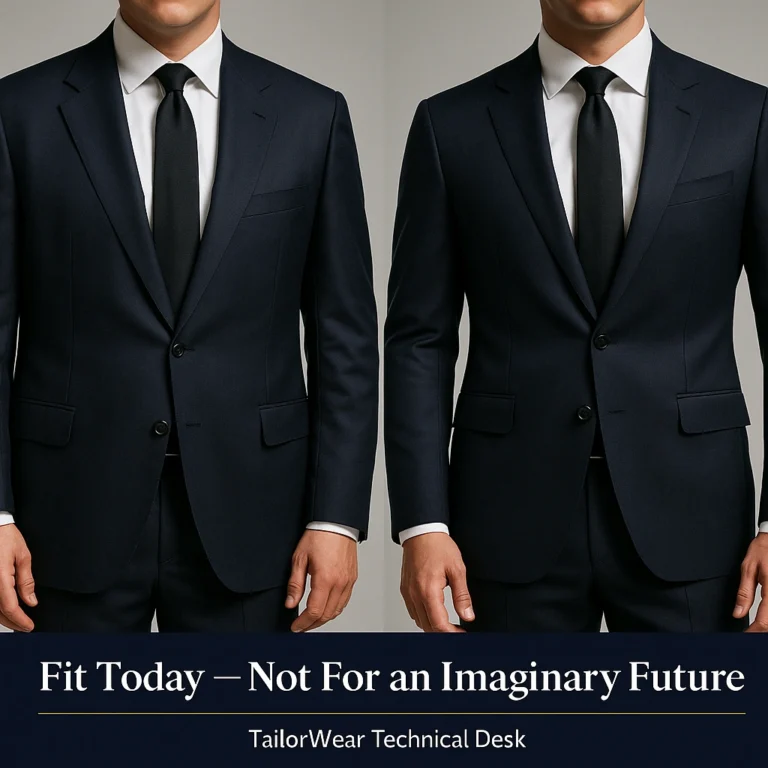
The shoulders are the foundation of a well-tailored jacket. If you notice dimples or ripples near the front shoulder seam, it means one of two things; either the shoulder pads are too thick or the cut doesn’t align with your natural shoulder line. Mass-market brands use standard templates that rarely match individual posture. The result? Awkward tension and puckering.
At TailorWear, our bespoke blazers are sculpted to mirror your natural slope, ensuring the jacket sits clean and relaxed. The rule is simple – the shoulder seam should end exactly where your arm begins. Anything beyond that, and you lose definition.
2. Sleeve Length: Let the Shirt Speak
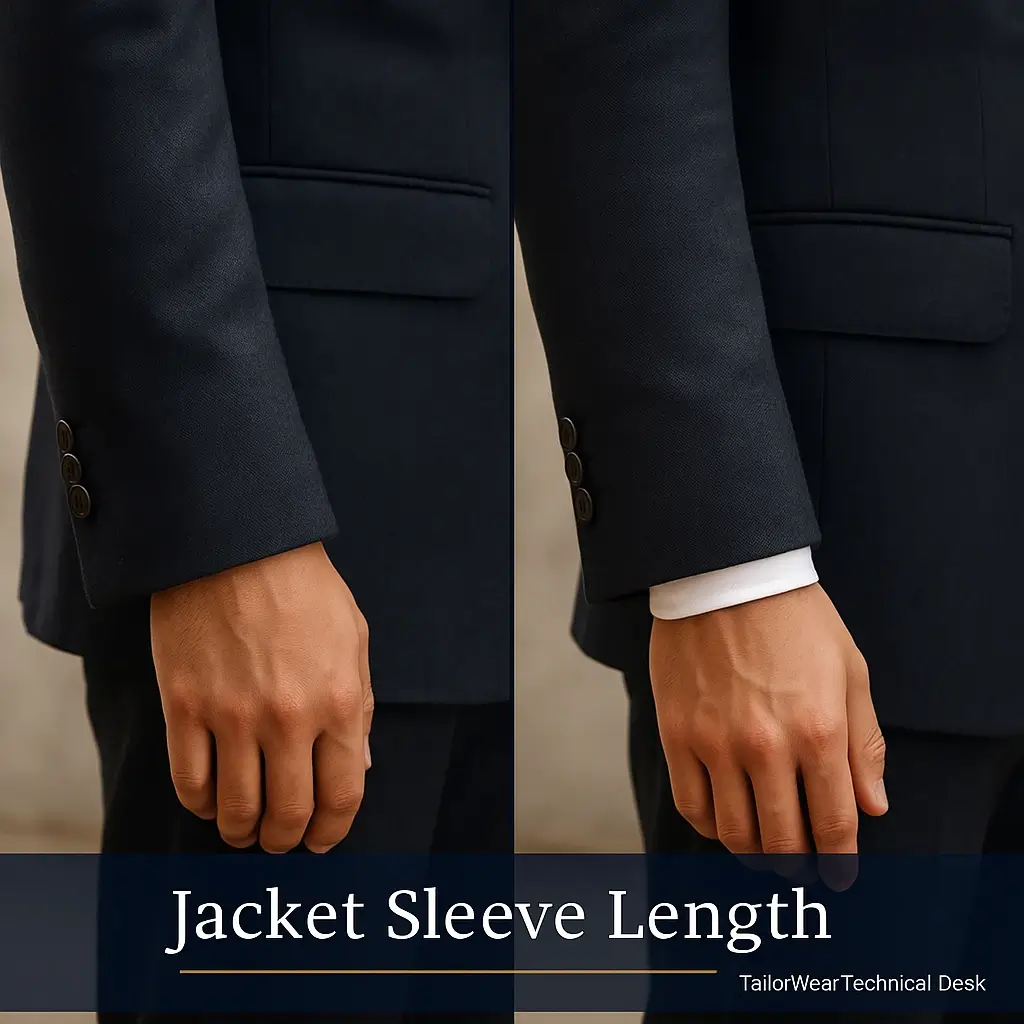
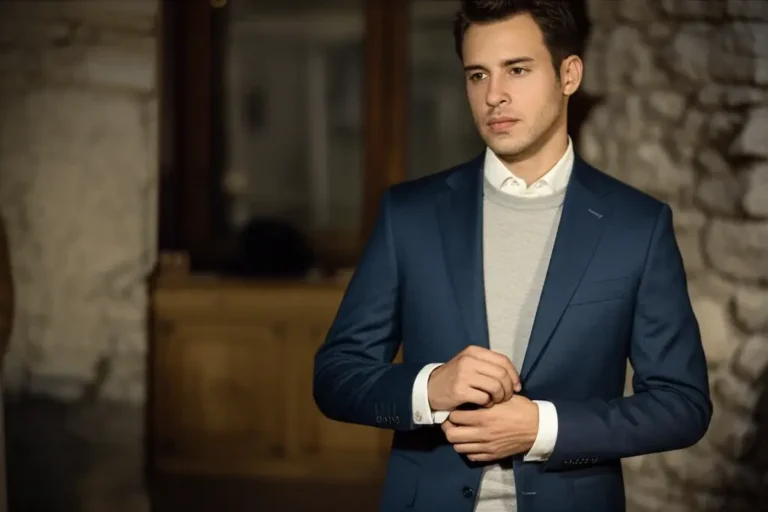
When your blazer sleeves are the right length, they subtly frame your shirt. Half an inch of the shirt cuff should peek out when your arms are relaxed. This hint of cuff not only adds sophistication but also gives proportion to your arms.
If your sleeves completely cover the shirt, the jacket looks oversized; if they’re too short, the effect is unfinished. The perfect length can only be judged after movement. Bend your elbows and raise your arms slightly. Your blazer should allow this motion gracefully, without shifting awkwardly.
3. Back Fit: Smooth, Sculpted, Seamless
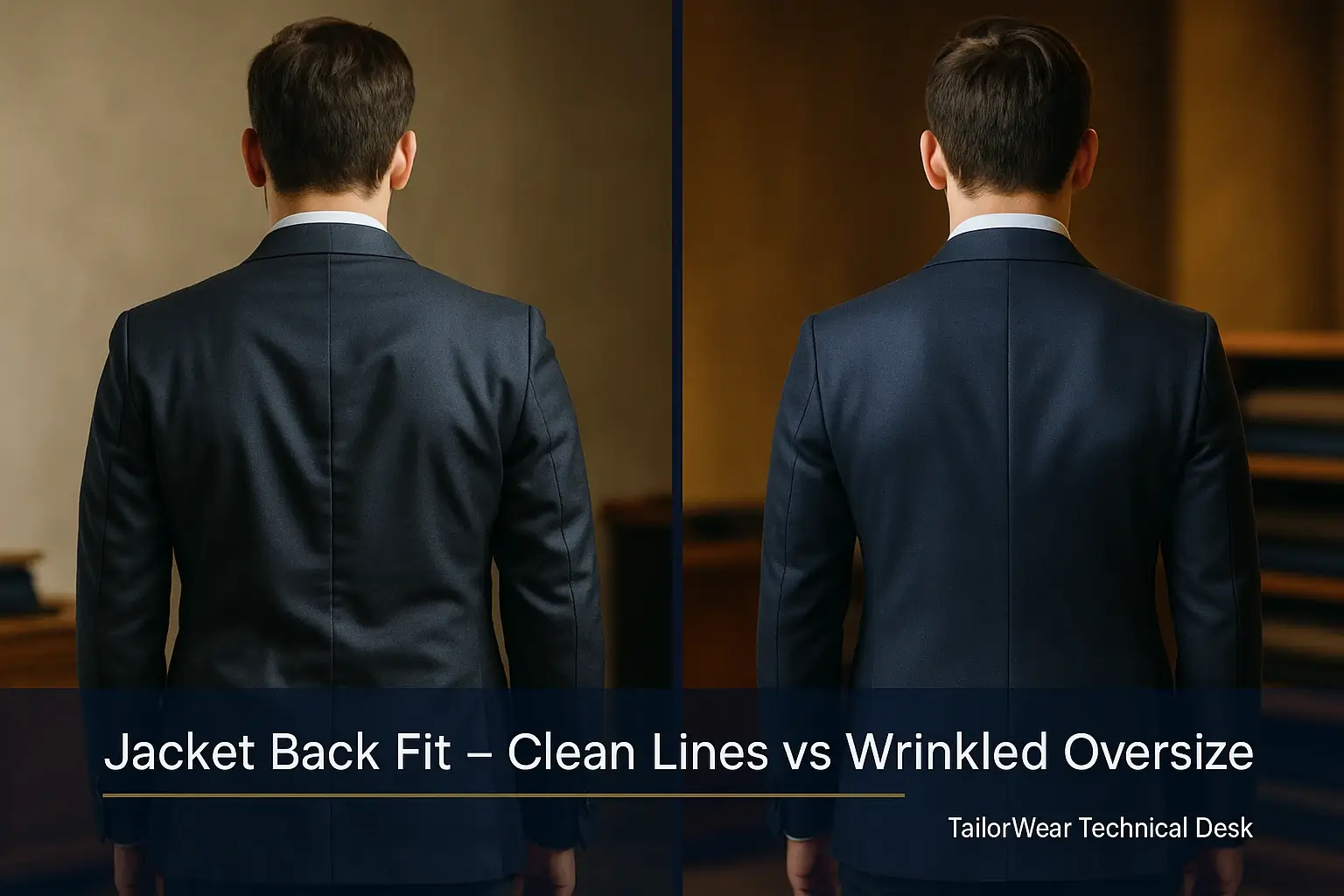
The back of your blazer reveals everything about its construction. Wrinkles, sagging fabric or creases near the shoulder blades are signs of poor cutting or excess cloth. A perfect fit should appear smooth like a second skin, with no tension lines even when you move.
A well-drafted pattern accounts for your spine curvature and posture, letting the jacket fall cleanly. This is where bespoke tailoring outshines any ready-made purchase. It’s architecture, not just apparel.
4. Collar Gap: The Silent Giveaway of Bad Fit
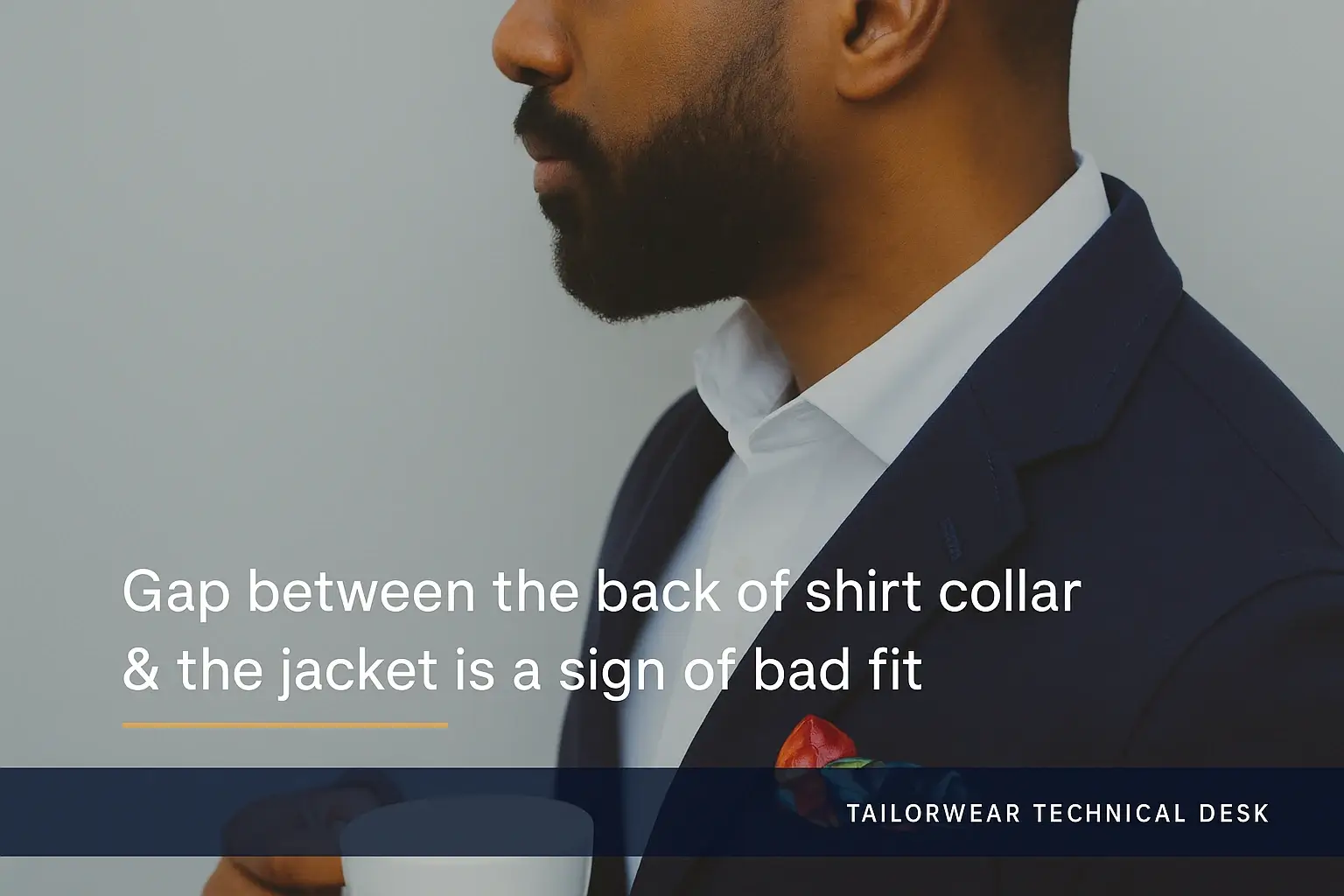
A visible gap between your shirt collar and blazer collar is one of the most overlooked yet crucial indicators of poor fit. It means the jacket’s collar is either cut too wide or the shoulders are misaligned with your neck posture. In a perfect blazer, the jacket collar hugs the shirt collar neatly with no daylight between them.
This detail defines the blazer’s harmony with your upper frame. When the collar sits perfectly, it signals craftsmanship and precision, the kind you can only get from a measured fit, not a guessed size.
5. Proportion: The Art of Visual Balance
Beyond technical fitting, true style lies in proportion. Your blazer length should roughly cover your seat, and the lapel width should complement your shoulder breadth. Overly wide lapels overpower smaller frames; narrow lapels make broader builds look disproportionate. A balanced blazer creates symmetry and natural elegance.
Buttons, pocket placement, and vent styles also contribute to proportion. TailorWear ensures that these are adjusted not only to your measurements but also to your body geometry, because fit isn’t just about size, it’s about posture, movement, and expression.
The Total Silhouette: While the blazer provides the structure for your upper frame, the proportion is only complete when paired with the correct trouser rise and break. Explore our [Comprehensive Guide to Trouser Silhouettes] to master the full look.
You should also explore our guide to [Mastering Spezzato: The Art of Effortless Elegance] to plan an Italian pairing of your blazer and trousers.
Invest in the Blazer That Fits Your Life
A great blazer doesn’t just fit your shoulders, it fits your lifestyle. Whether it’s your first custom piece or your next upgrade, let TailorWear help you discover the difference that true bespoke craftsmanship can make.
Industry Standards: If you are selecting a blazer specifically for high-stakes finance or boardrooms, the rules are even more precise. See how these fit principles apply to the [Banking Professional’s Wardrobe Strategy].
Blazer Construction: Masterclass FAQs
How do I fix a ‘shoulder divot’ in my blazer?
A shoulder divot occurs when the jacket shoulder is too wide for your frame, causing the fabric to collapse inward. Unfortunately, altering shoulders is the most expensive and complex procedure in tailoring. For your next purchase, ensure the seam ends exactly at your bone; if it doesn’t fit there, do not buy the blazer.
What is the difference between a blazer and a suit jacket?
A suit jacket is designed to be worn with matching trousers made from the same fabric. A **blazer** is a standalone garment, often featuring more durable fabrics and distinct buttons (like metal or horn), designed to be paired with contrasting trousers like chinos or denims.
Should a blazer have a ‘Notch’ or ‘Peak’ lapel?
The **Notch lapel** is the gold standard for versatility and is appropriate for 90% of occasions. The **Peak lapel** is more formal and authoritative; it draws the eye upward, making you appear taller and more physically imposing. For your first blazer, always choose a Notch.
Where should the blazer sleeve end?
A properly tailored blazer sleeve should end right at the hinge of your wrist. This allows about **1/4 to 1/2 inch of your shirt cuff** to peek through, which is a hallmark of a well-dressed gentleman.
Single Vent vs. Double Vent: Which is better?
The **Double Vent** (side vents) is superior for modern tailoring. It allows you to put your hands in your pockets without the jacket bunching up and provides a more slimming silhouette. Single vents are more traditional/American but can look less refined on slim-cut blazers.
What causes the ‘X’ crease when I button my blazer?
The ‘X’ crease is a sign that the blazer is **too tight in the waist**. When the button is fastened, the fabric is pulled under tension from the sides. A blazer should skim your torso, not strangle it.
What is an unstructured blazer?
An unstructured blazer lacks heavy internal padding and lining. It offers a more ‘casual’ drape that follows the natural line of your body, making it ideal for the Indian summer and smart-casual travel.
Are patch pockets considered formal?
No. **Patch pockets** (where the fabric is sewn onto the outside of the jacket) are inherently casual. For a formal blazer, look for ‘Flap’ or ‘Jetted’ pockets for a cleaner, more streamlined appearance.
Do I ever button the bottom button of a blazer?
**Never.** Suit jackets and blazers are cut with the assumption that the bottom button will remain open. Fastening it distorts the intended drape of the garment and restricts movement.
Can TailorWear fix a blazer I bought off-the-rack?
Yes. Our **Master Tailors** specialize in ‘Fit Diagnostics.’ We can adjust sleeve lengths, taper the waist, and correct hem heights. However, for a truly flawless silhouette, we recommend our bespoke commission service where the architecture is built specifically for your frame from day one.
Invest in the Blazer That Fits Your Life
A great blazer doesn’t just fit your shoulders, it fits your lifestyle. Whether it’s your first custom piece or your next upgrade, let TailorWear help you discover the difference that true bespoke craftsmanship can make.





My fiance and I are getting married soon. I want his suit to look so good. I like your tip about choosing a solid color.