
Foundation Suit Fabrics
A curated library of versatile suit fabrics sourced directly from specialist textile mills, bringing global fashion cloth to the wardrobes of our clients in India, the US, the UK, and world over, faster and more intelligently priced.
 Faster Fashion Access
 Direct Mill Value
 Handpicked for Tailoring
 Fabric Performance
 Global Textile Sources
 TailorWear Standards
How to use this suit fabric library
This library is your starting point for choosing the right suit fabric for custom suits, jackets and trousers. Browse the fabric cards and click any swatch to open a detailed view with composition, weight, pattern and styling suggestions.
Use the filters just below to narrow fabrics by composition (100% wool, wool blends, cotton, linen), pattern (solid, stripes, checks, other), weave, and colour. In a few clicks, you can focus on suit fabrics suited to your needs and occasion.
When a fabric feels right, tap the heart icon on the card or the “Add to Shortlist” button in the pop-up. Your shortlist builds in the bar at the bottom of the screen; from there, send your chosen suit fabrics to TailorWear via WhatsApp for personalised advice and next steps on your bespoke suit.
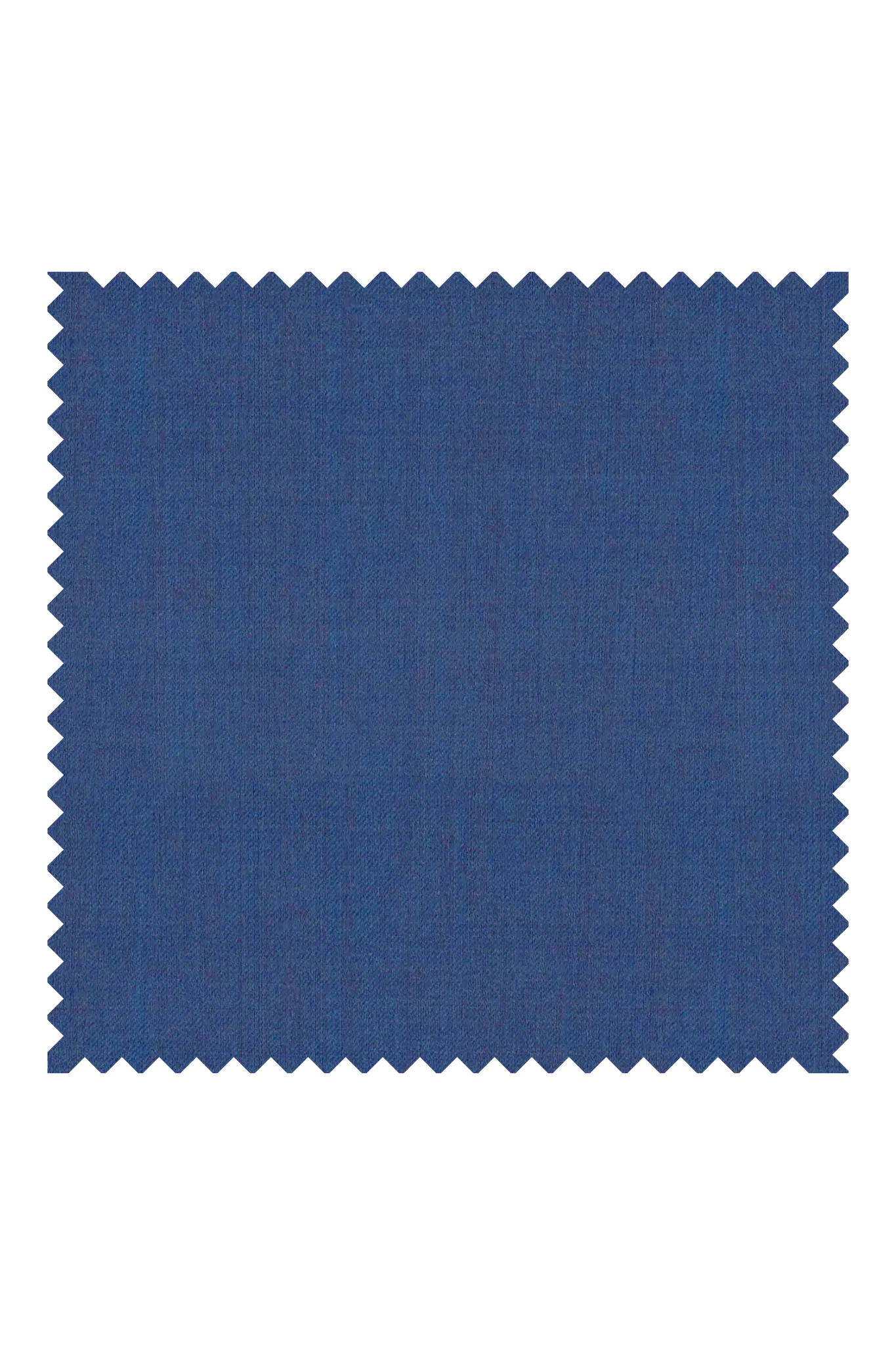
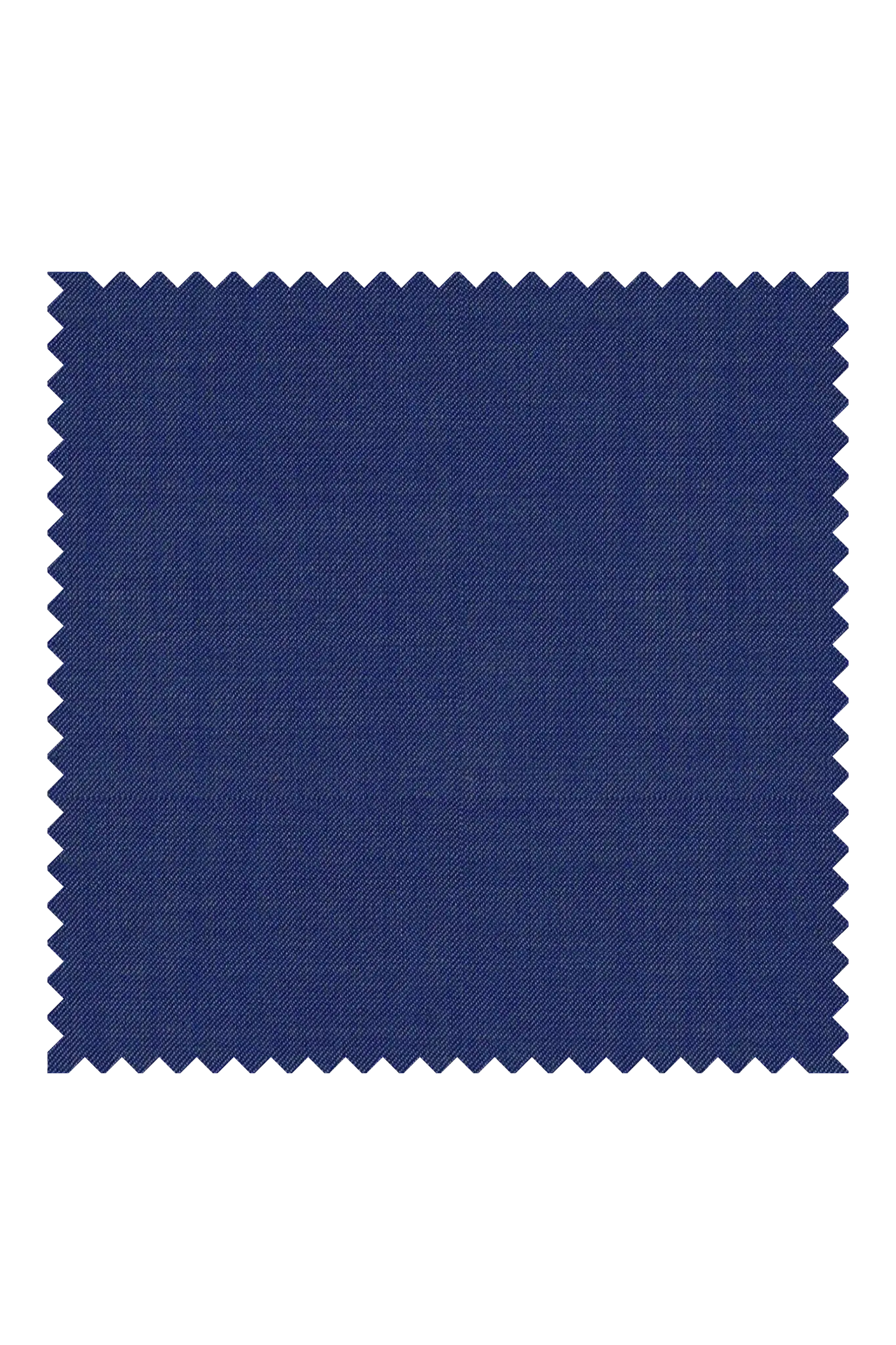
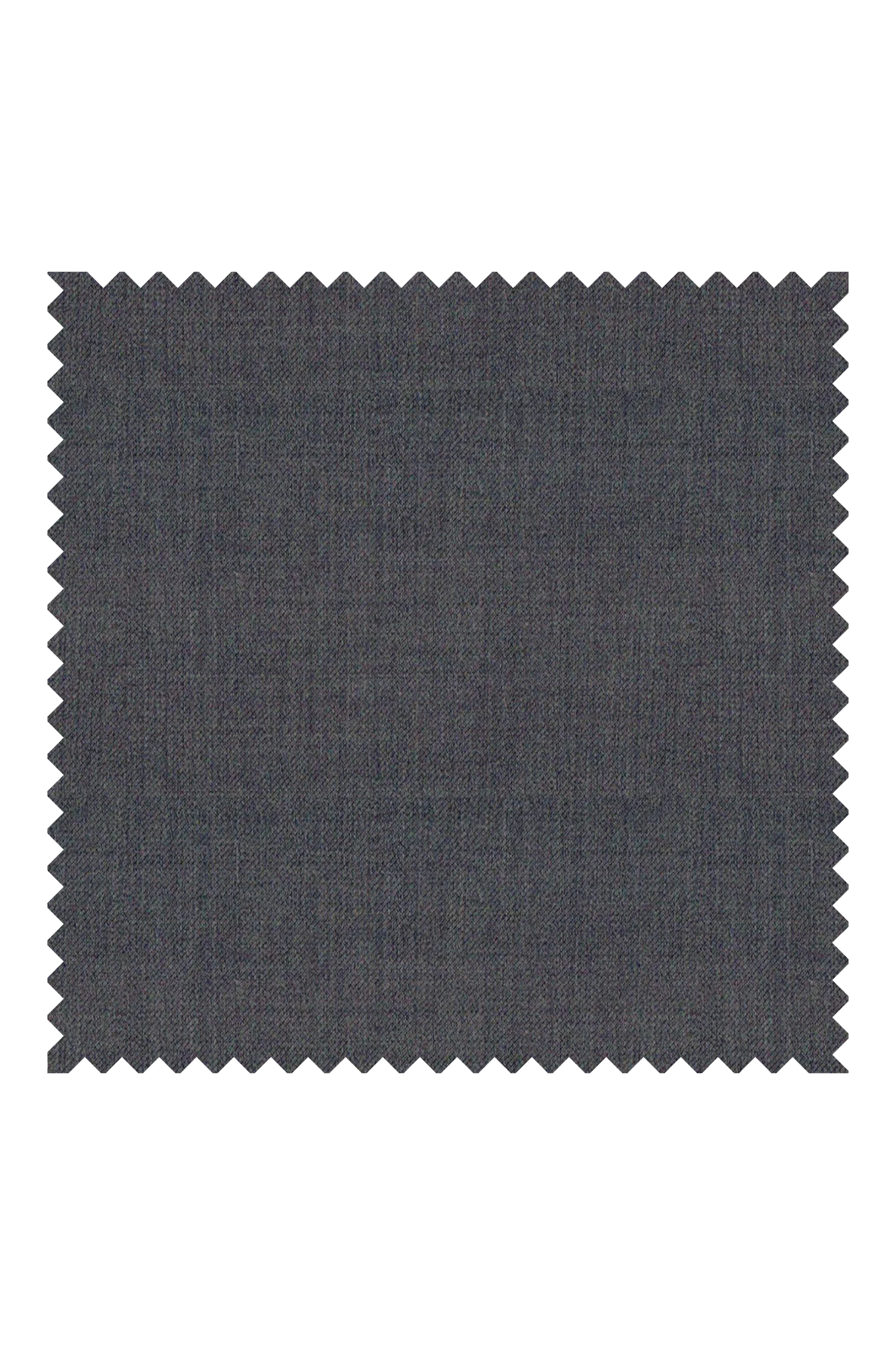
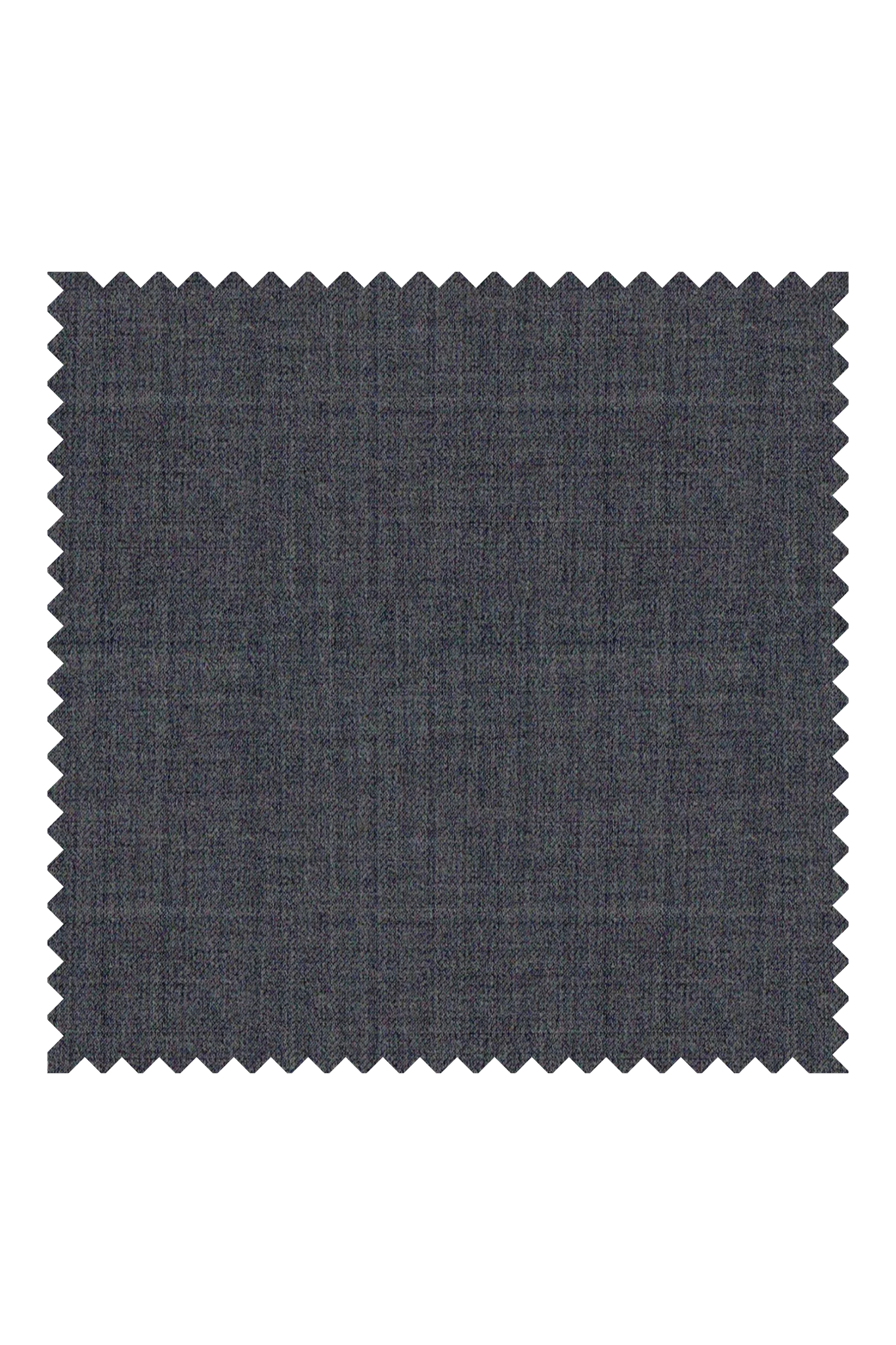
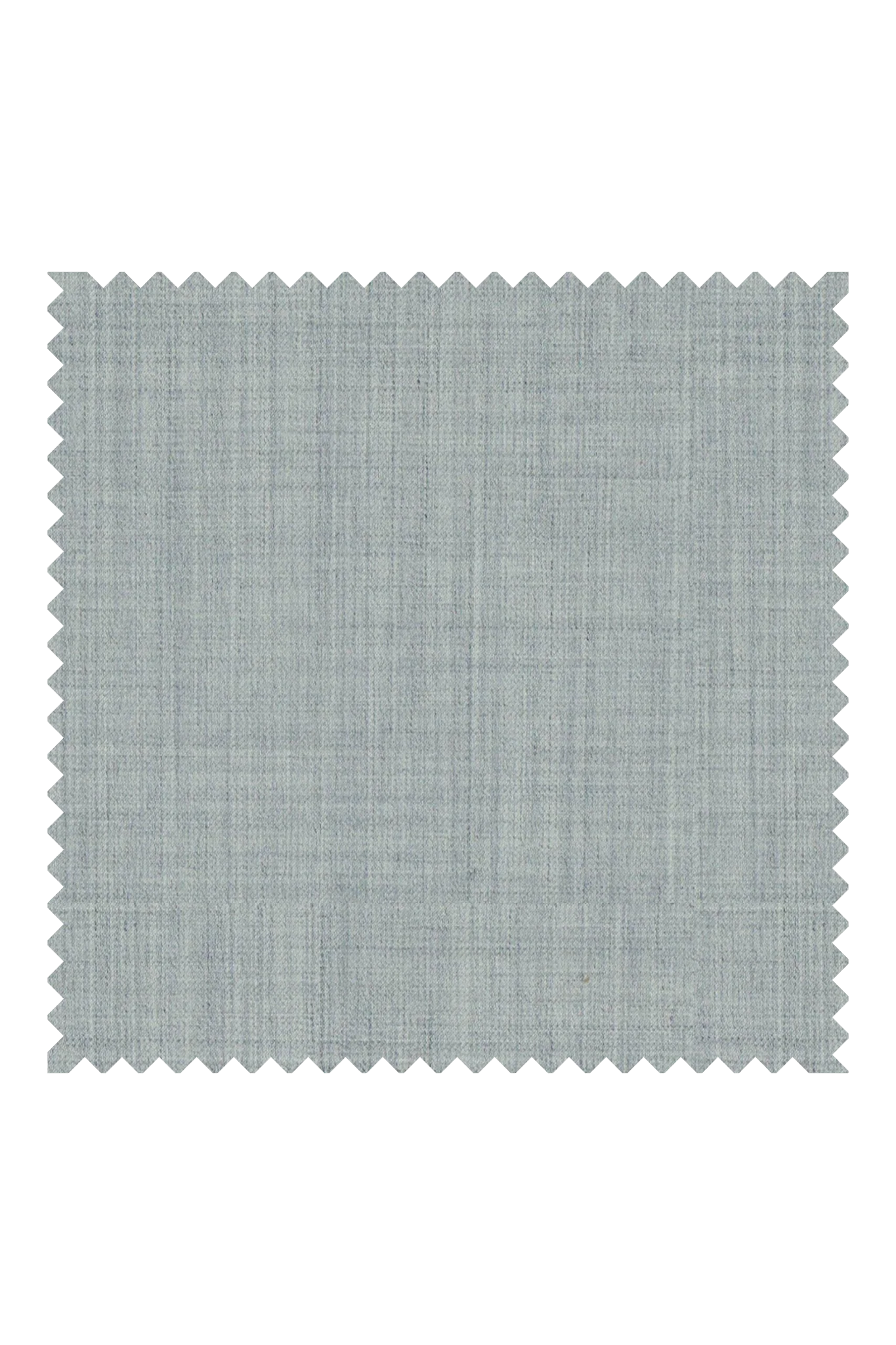
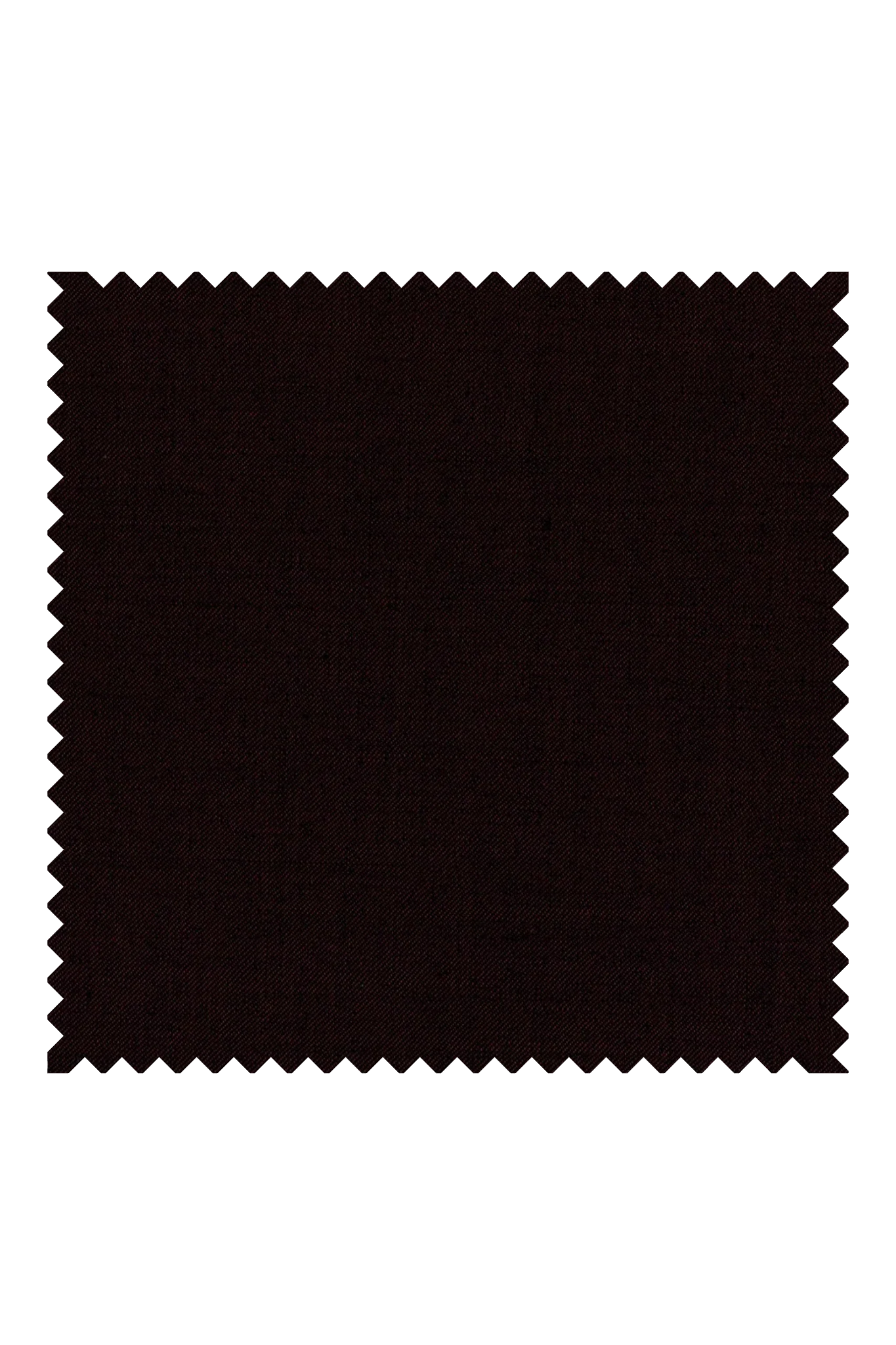
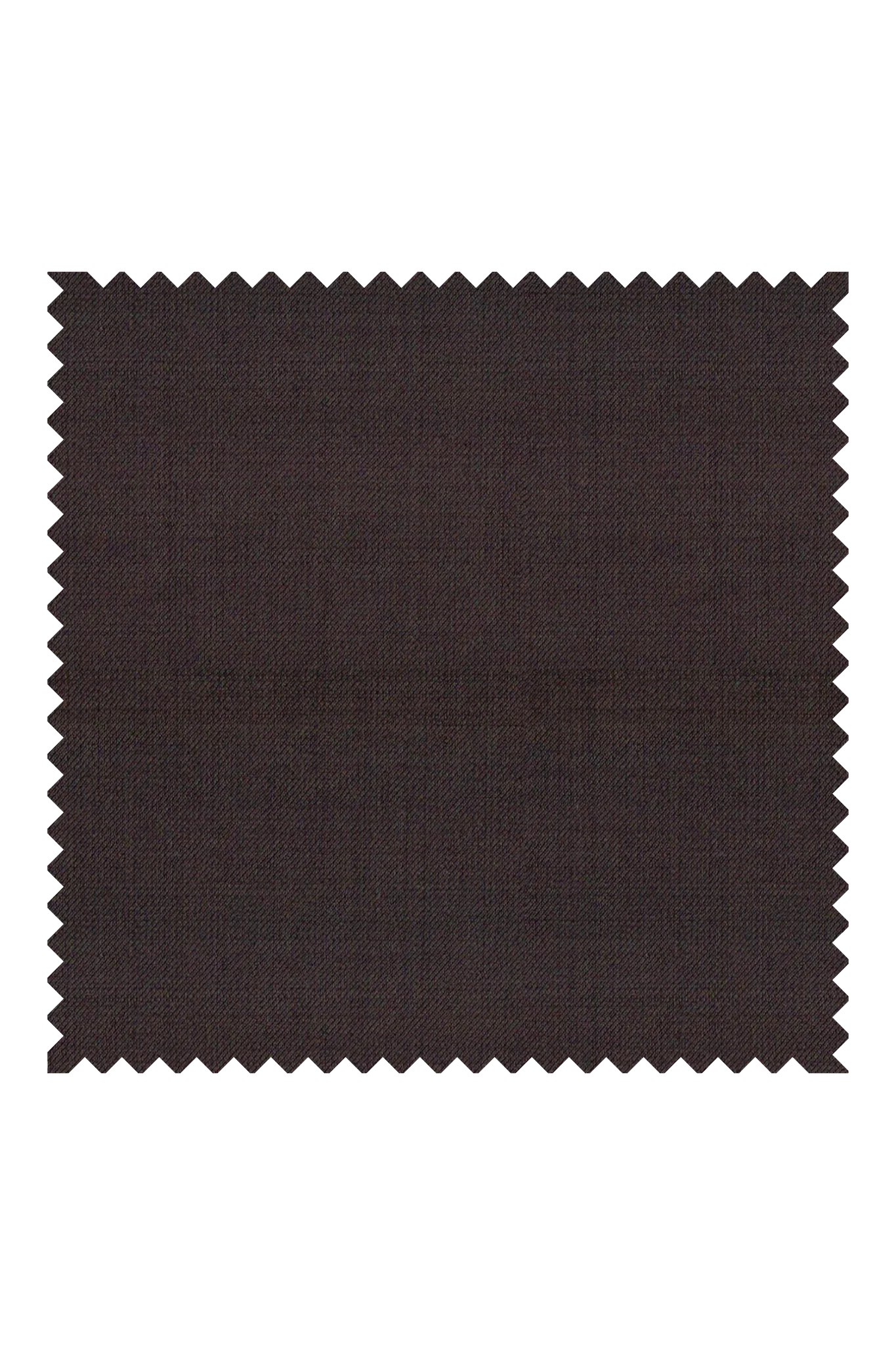
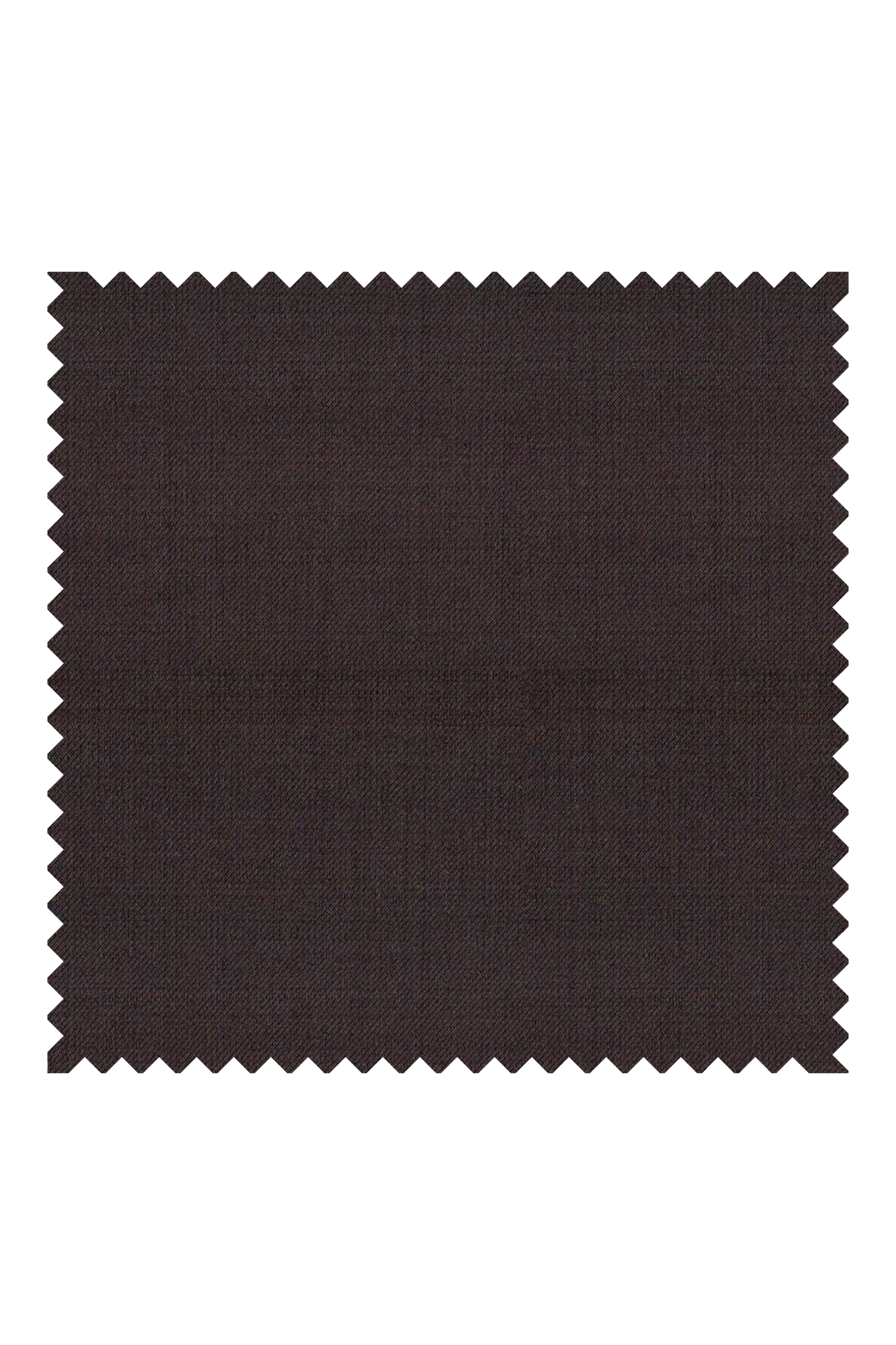
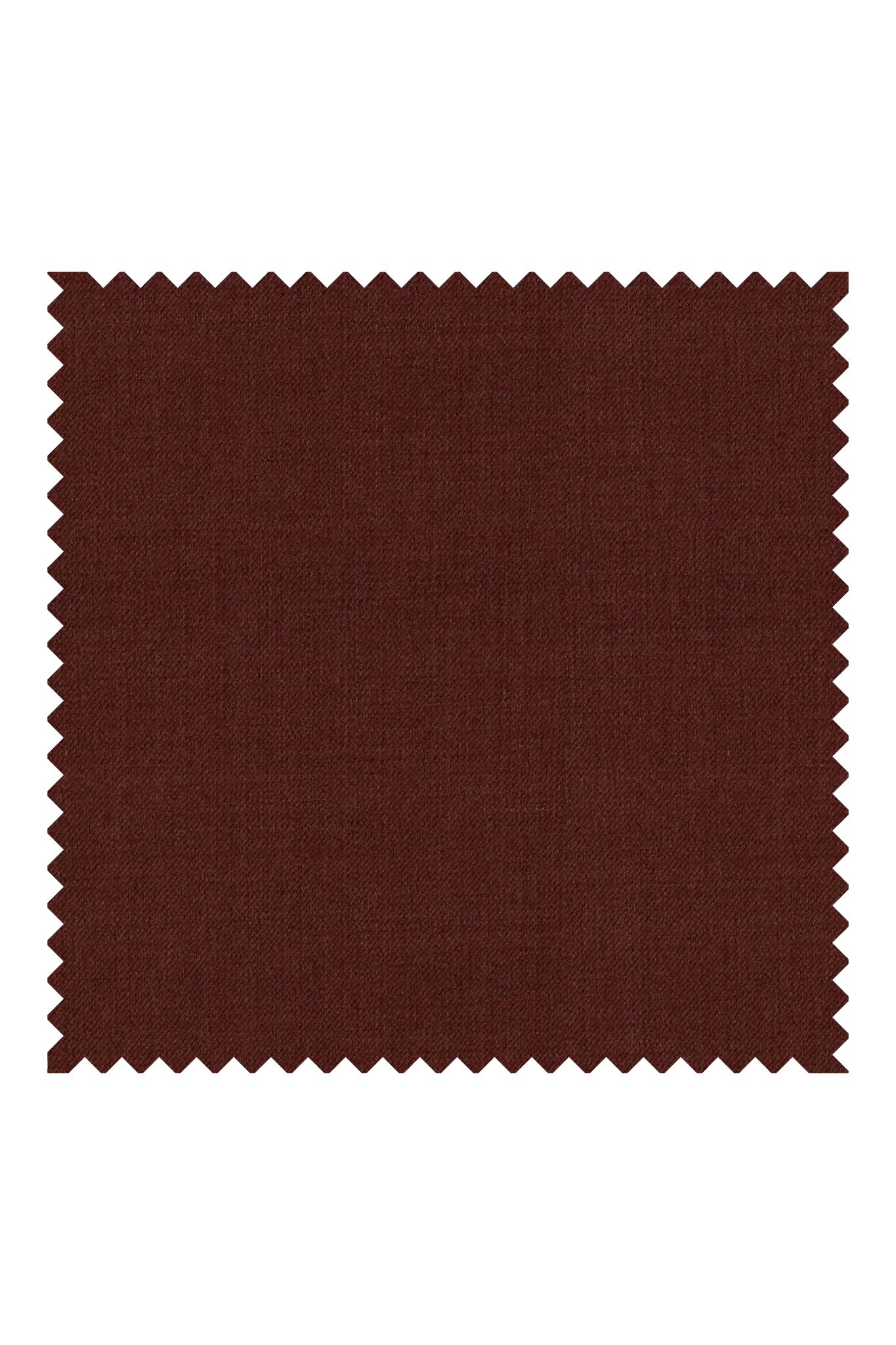
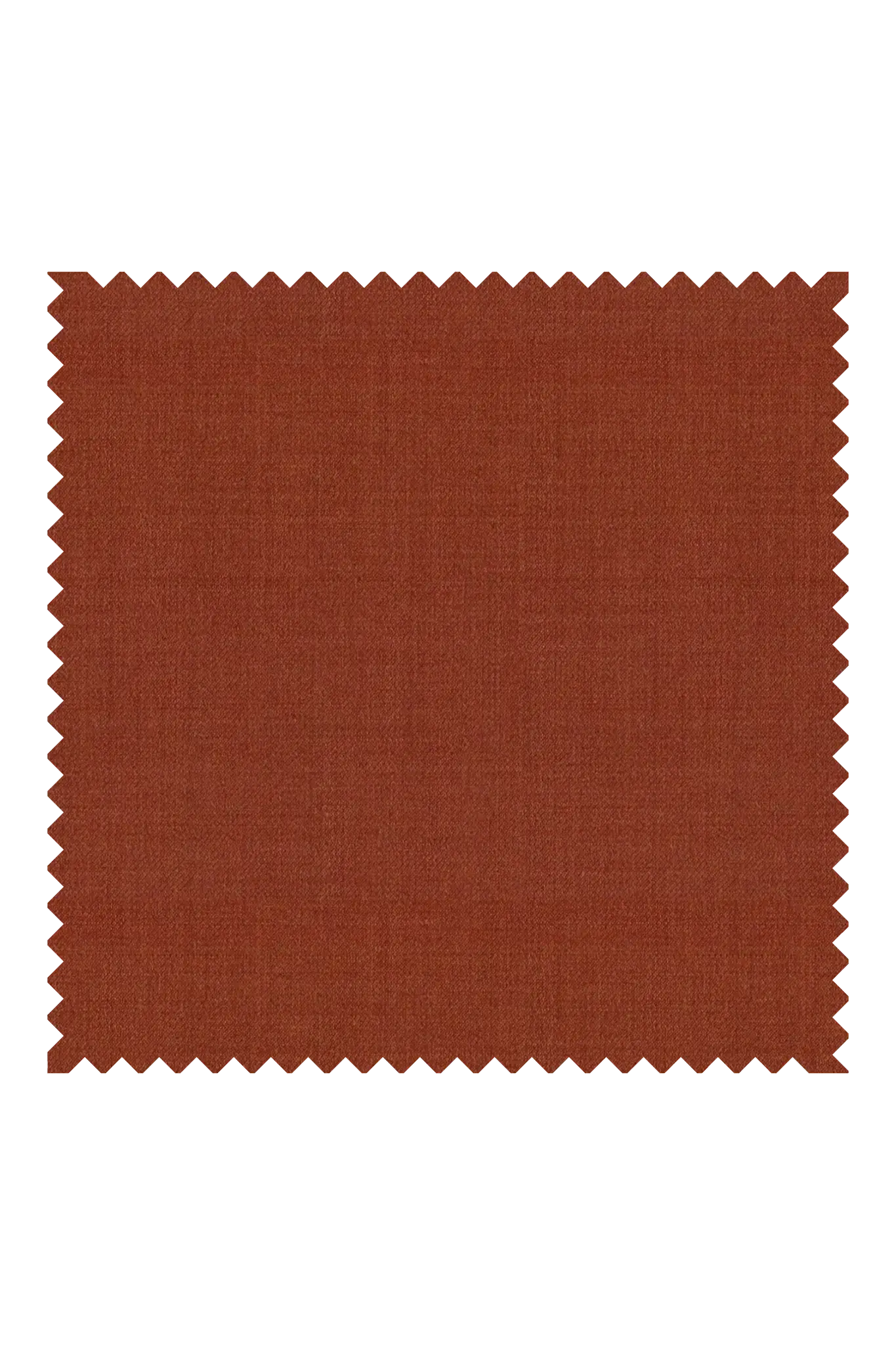
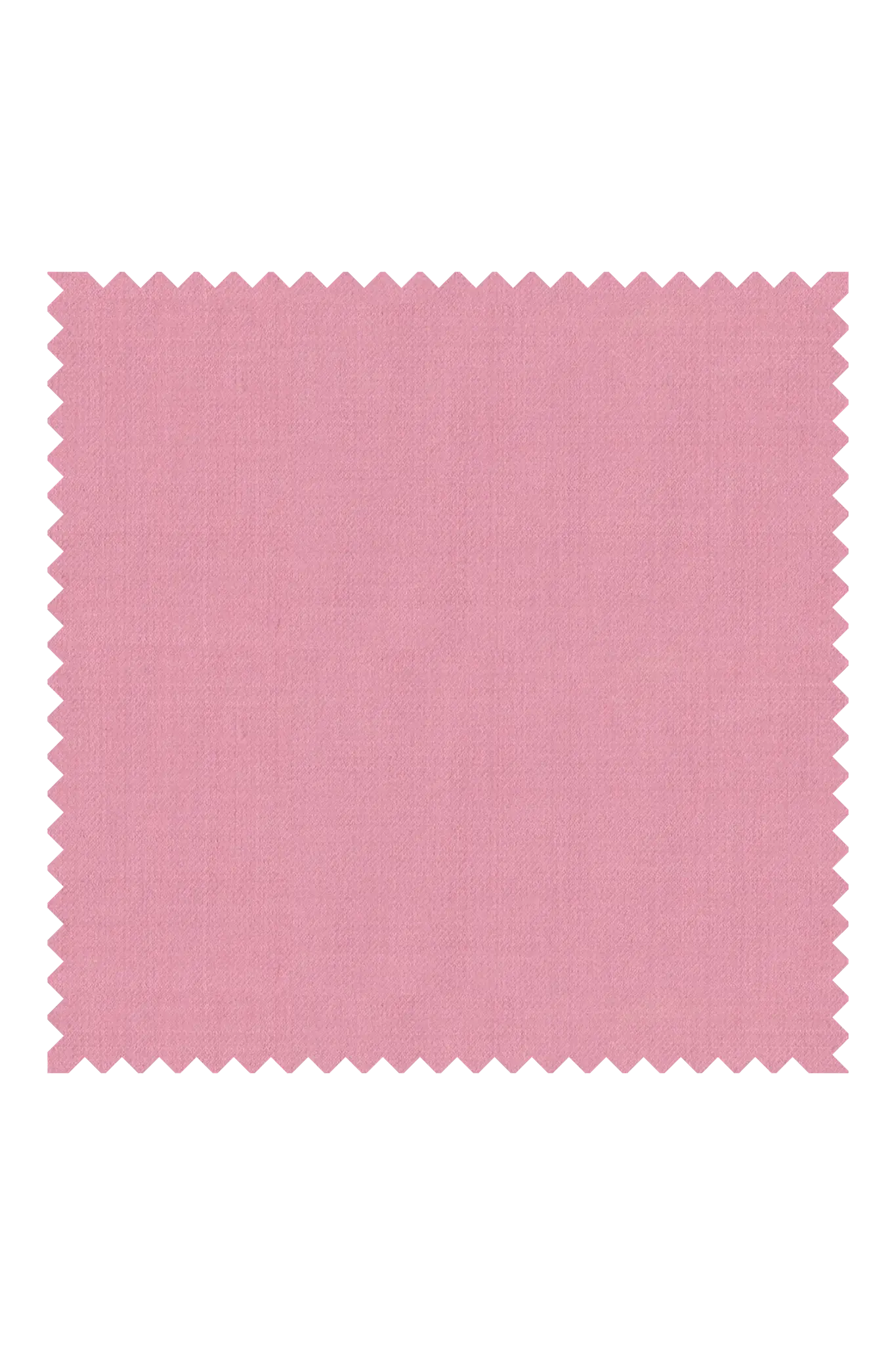
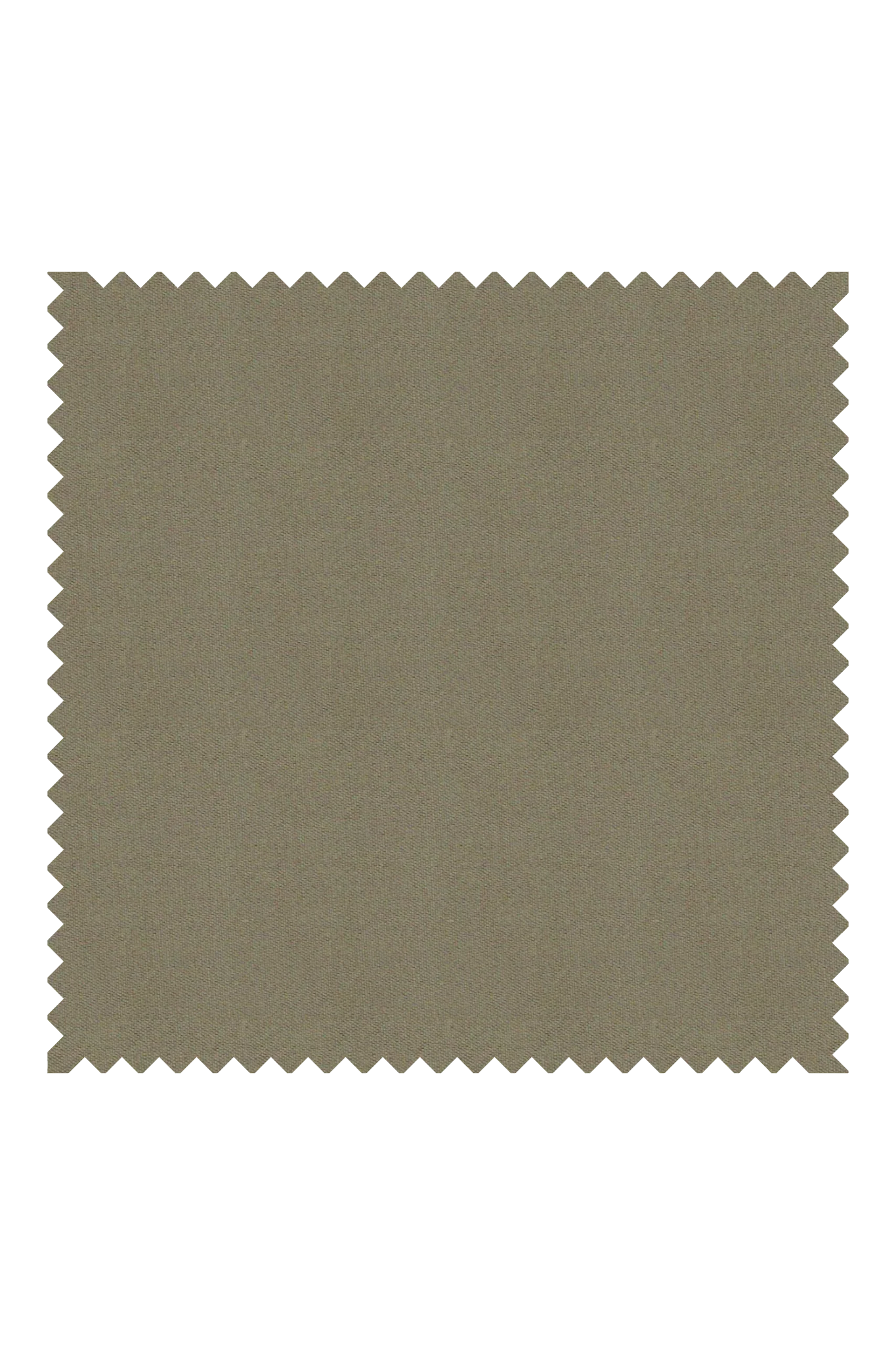
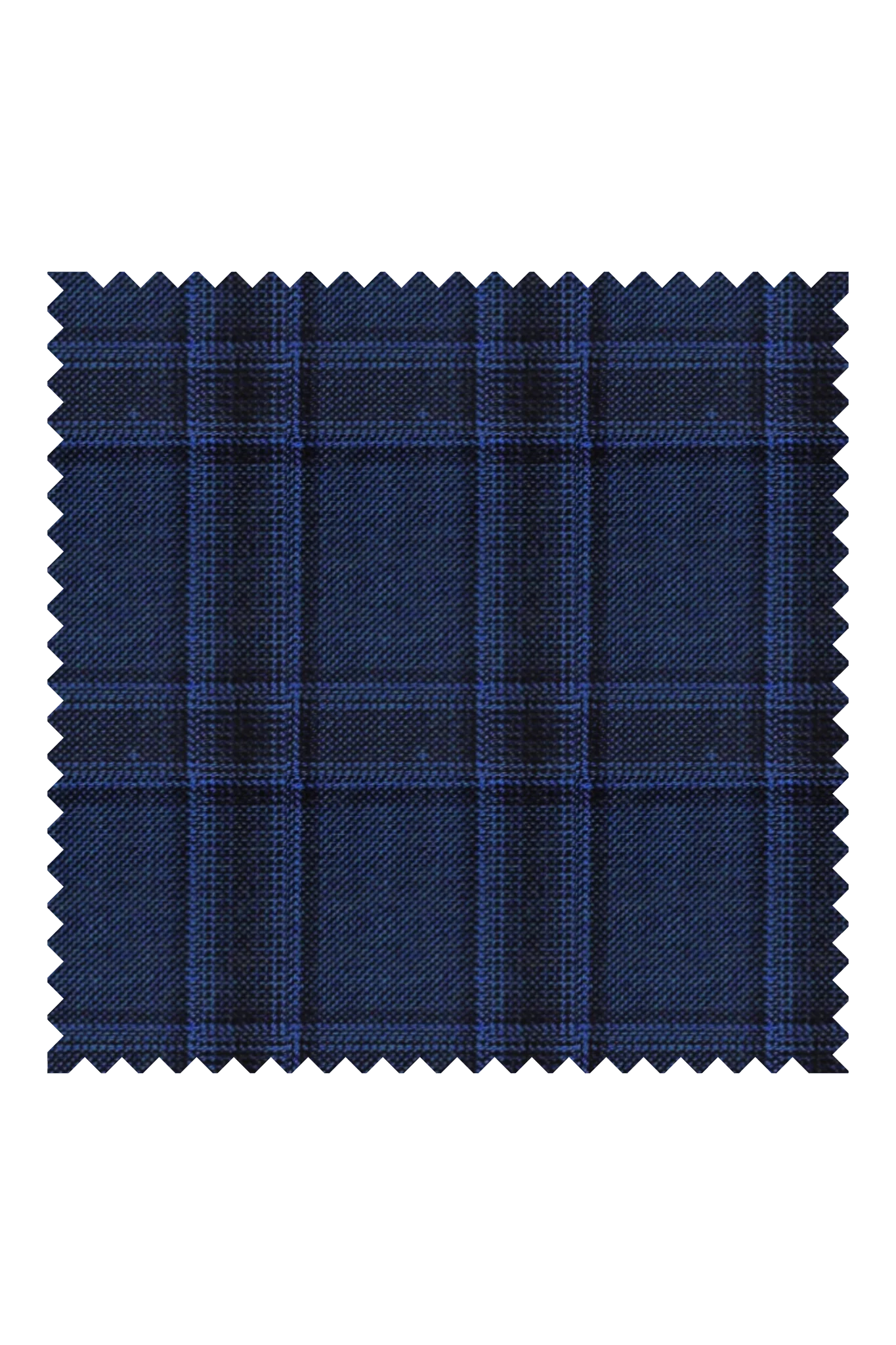
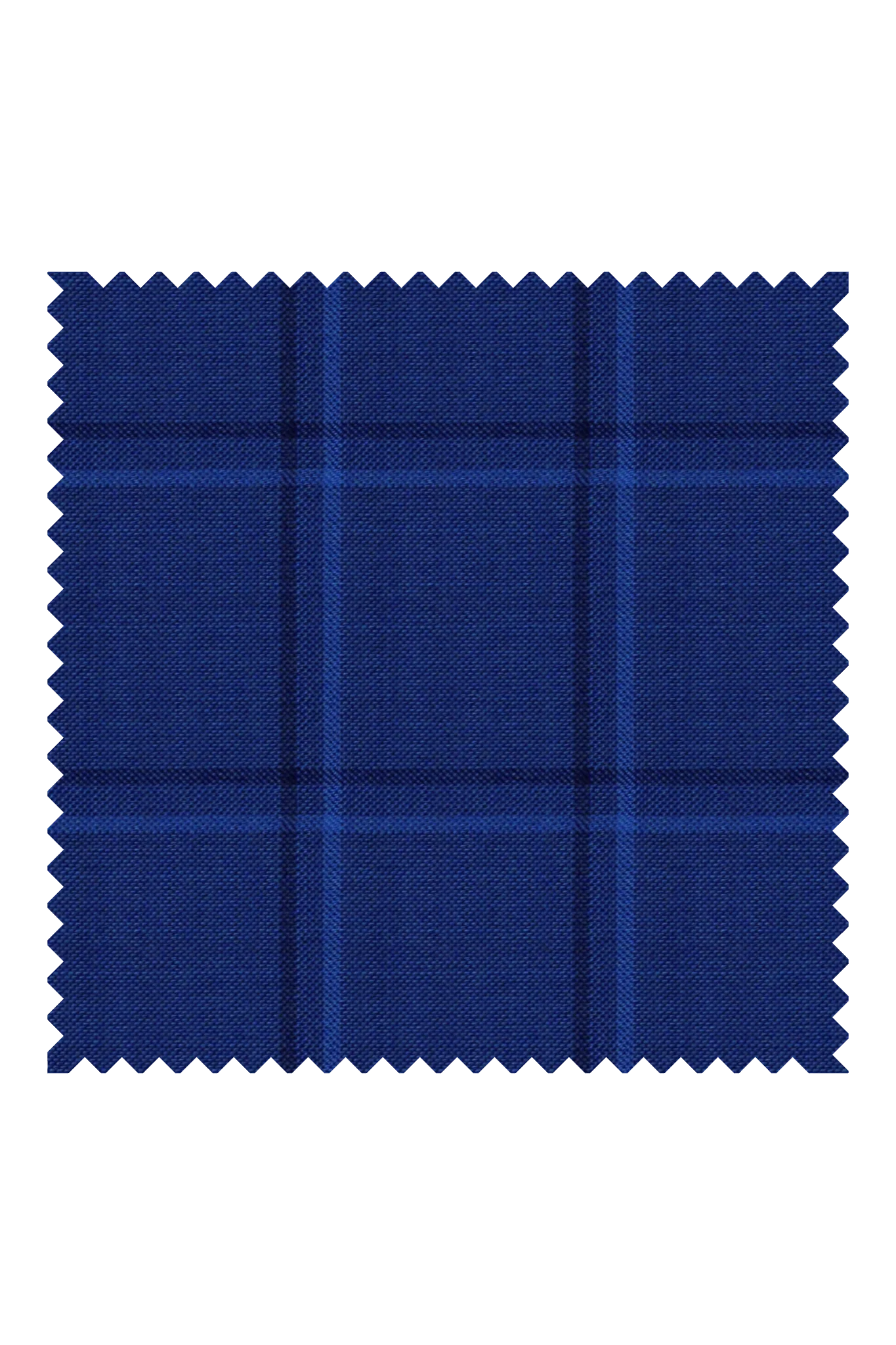
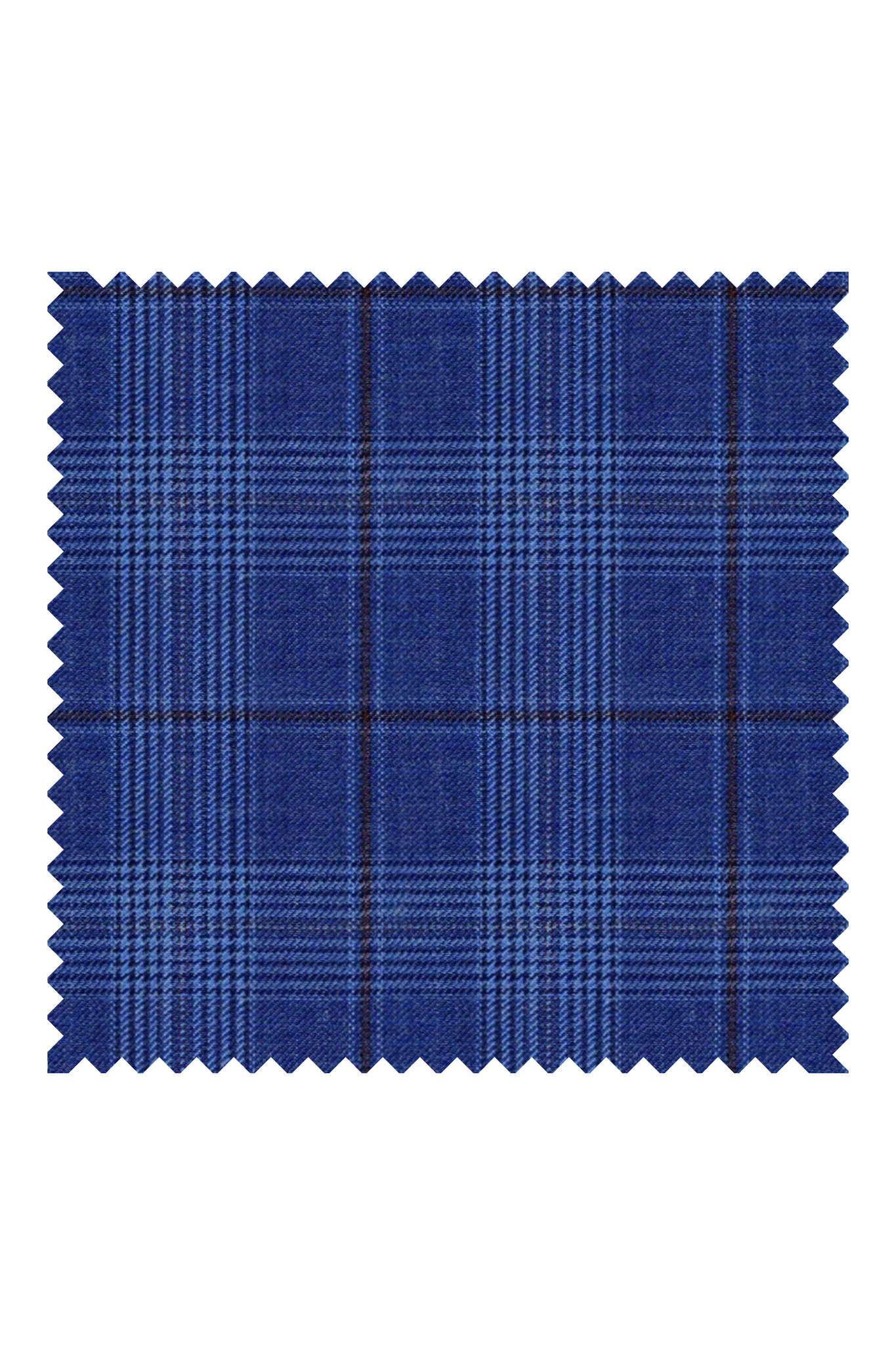
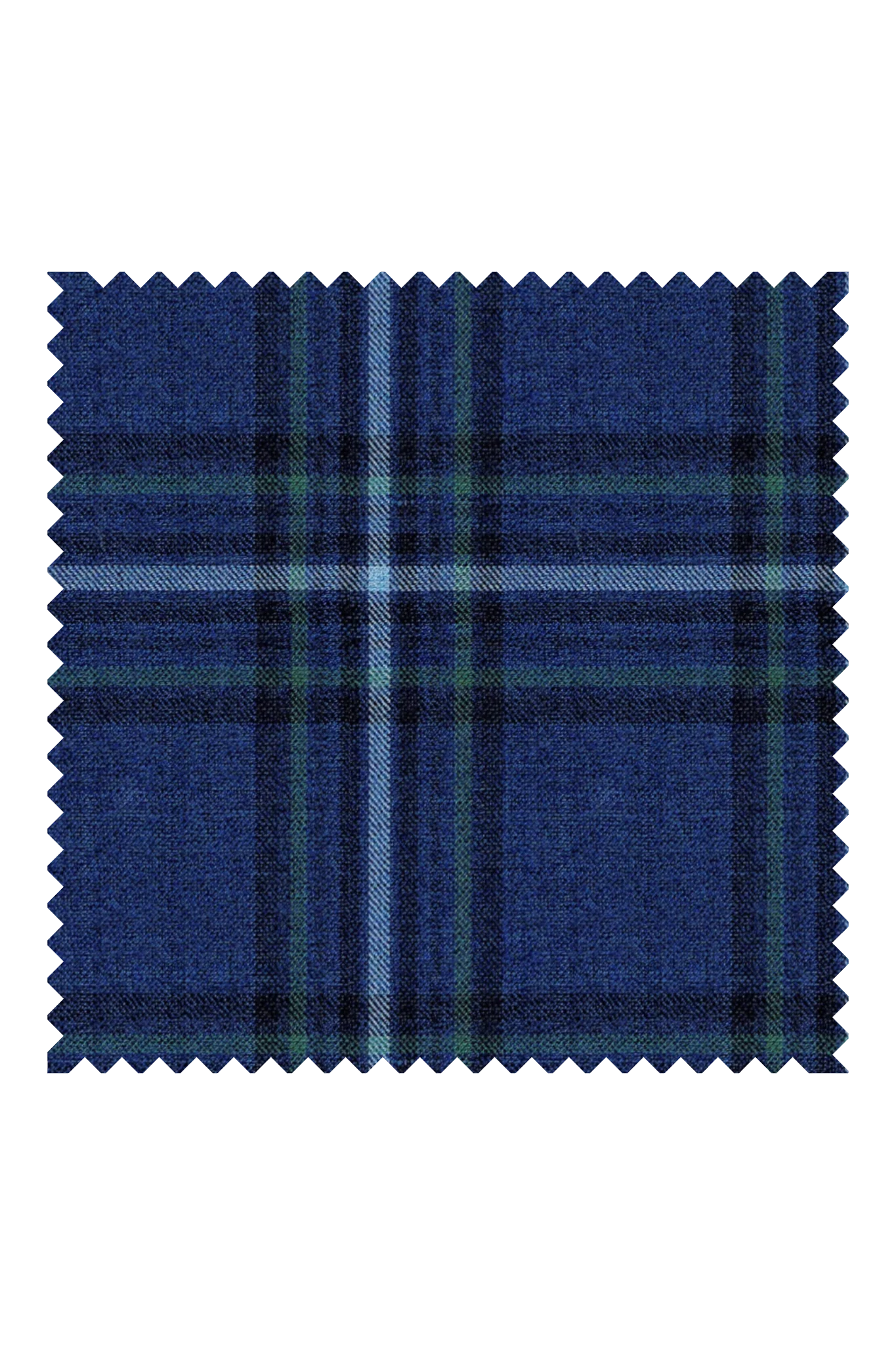
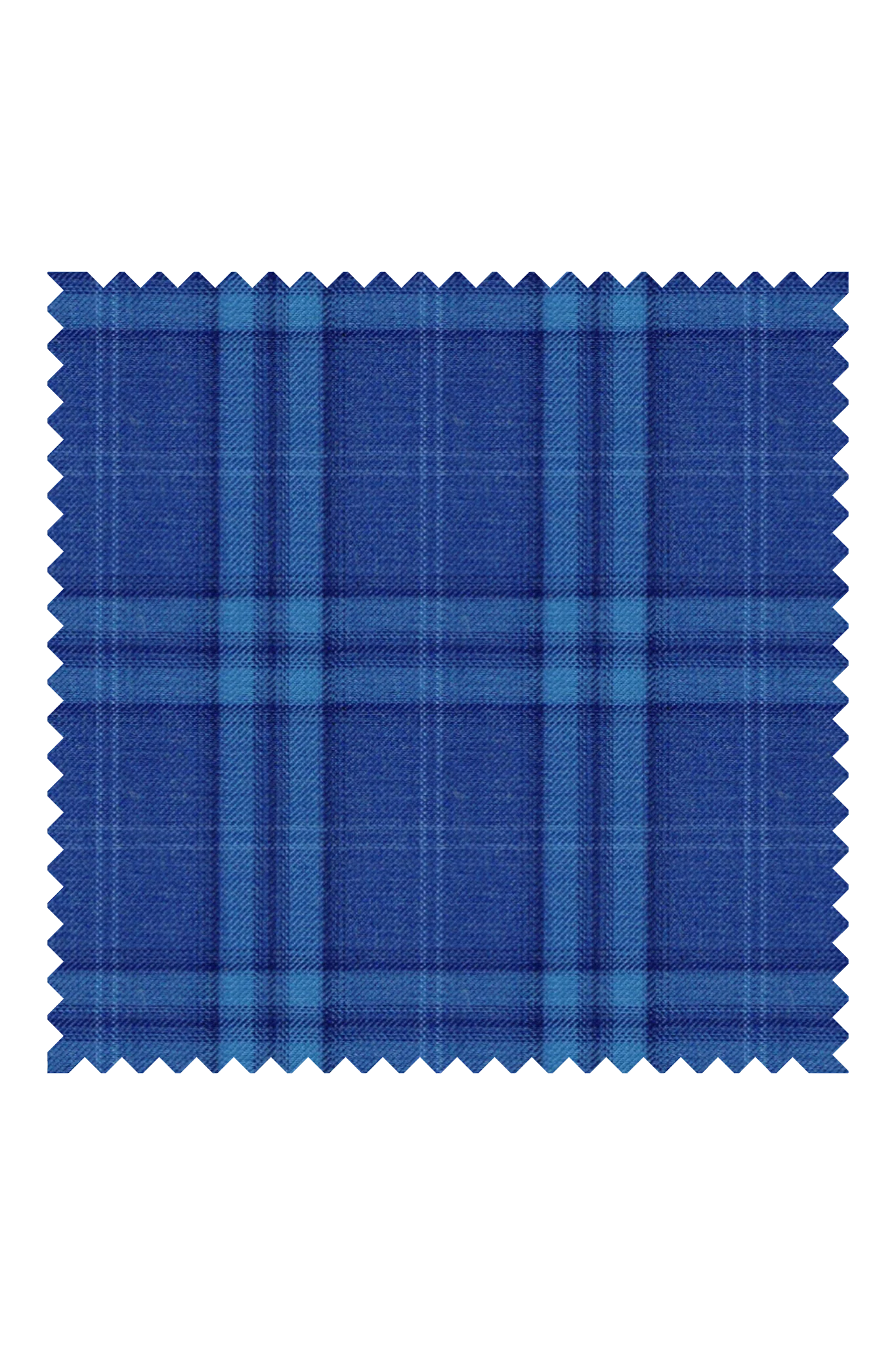
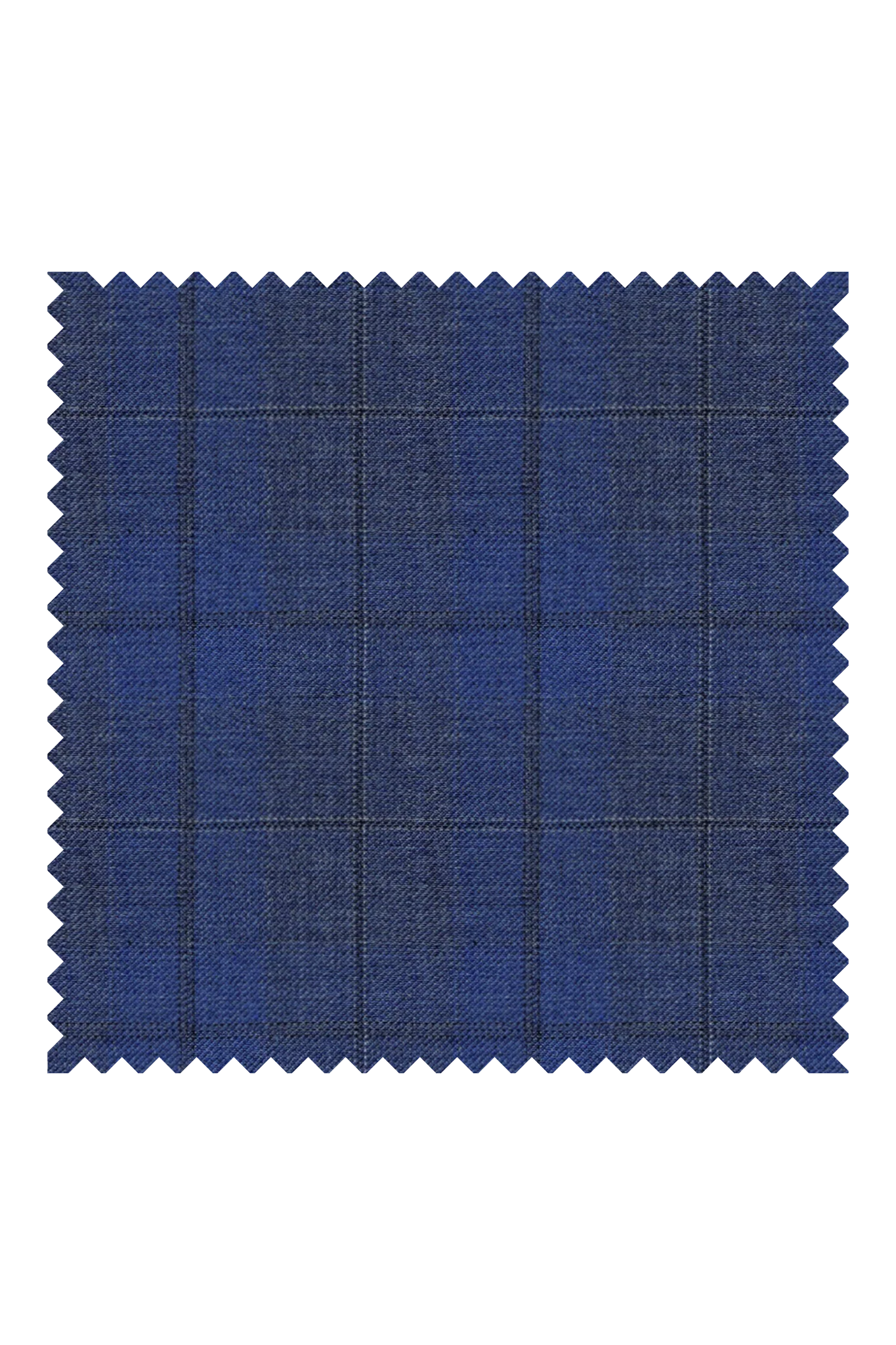
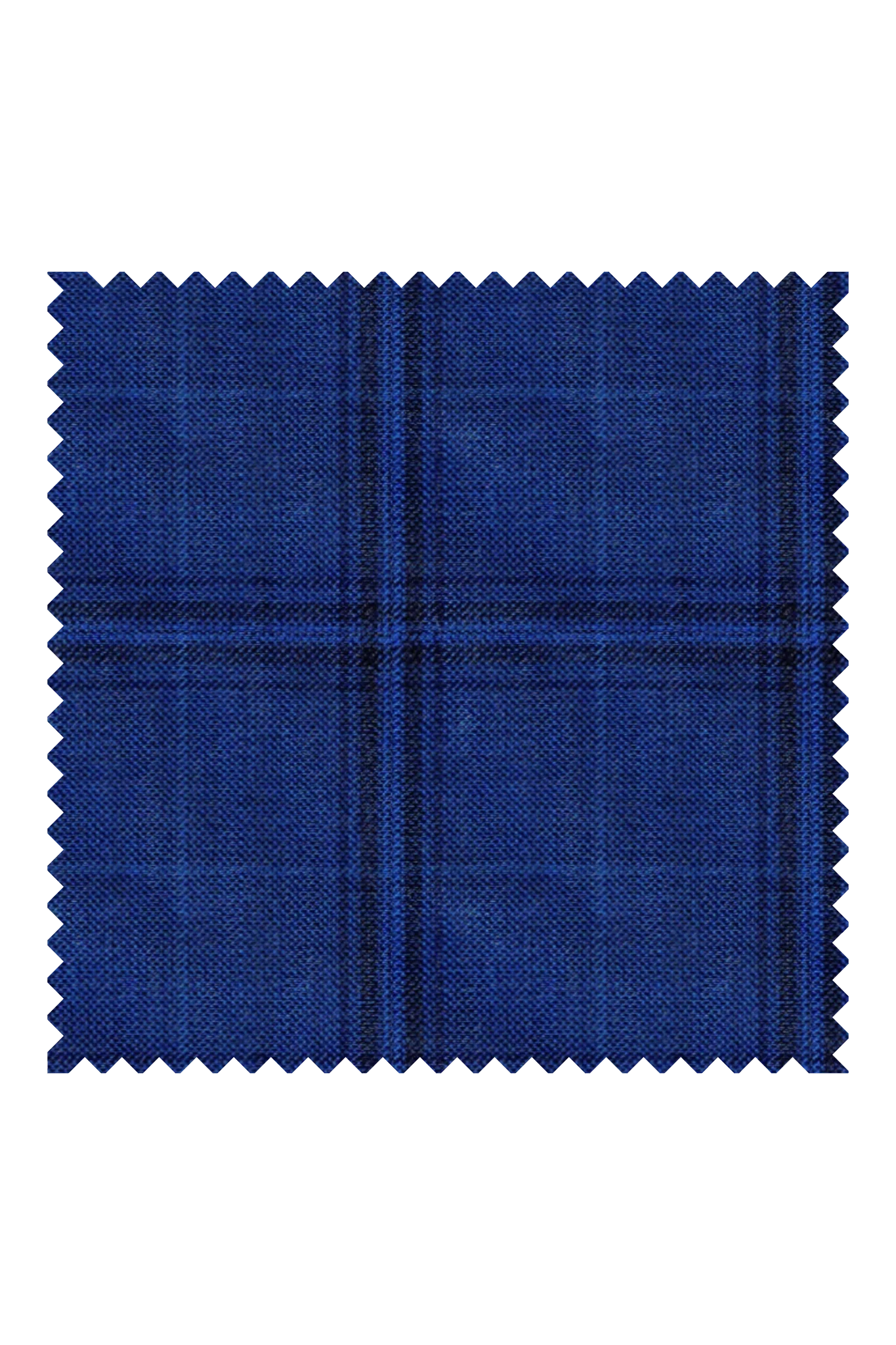
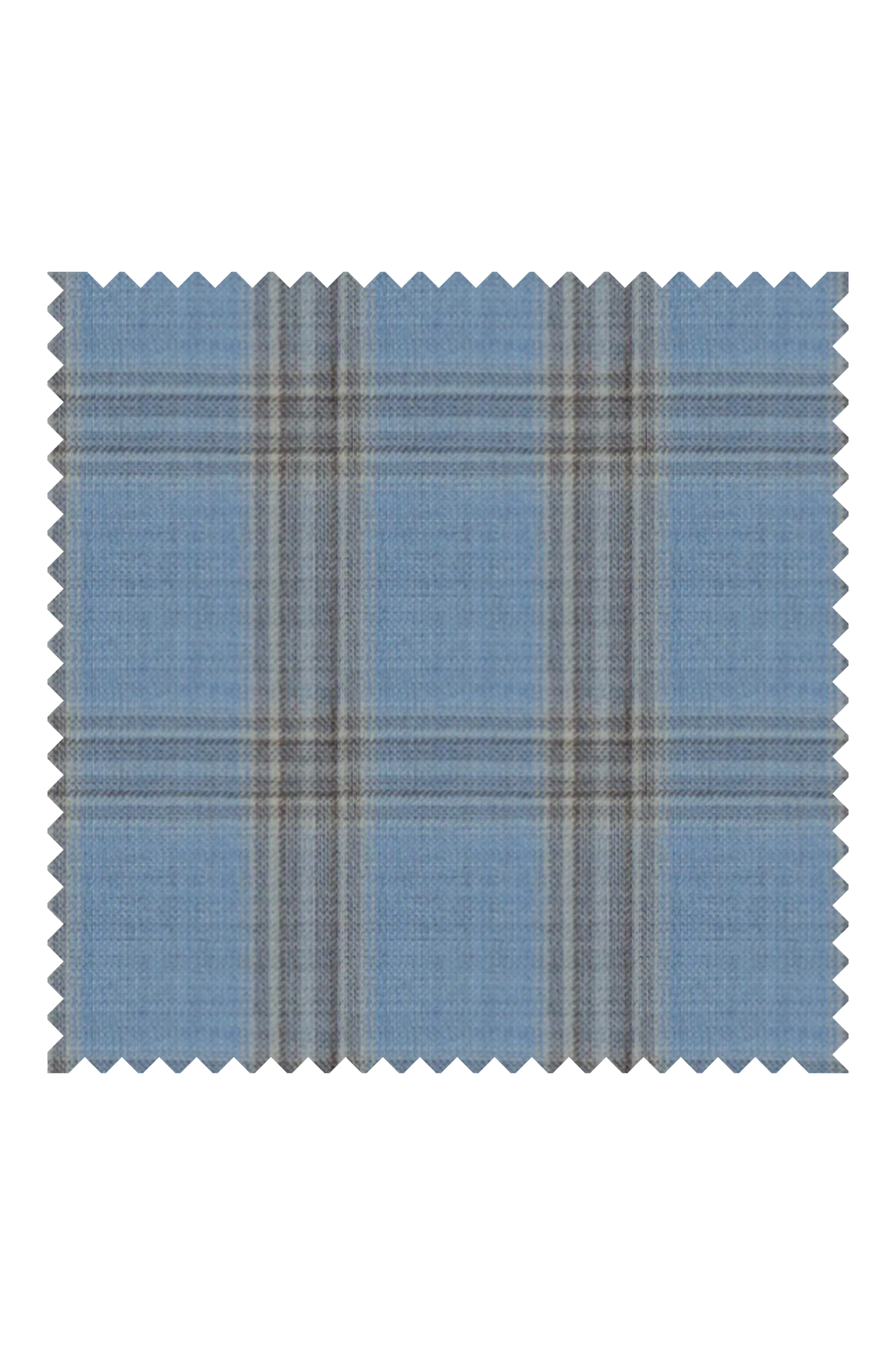
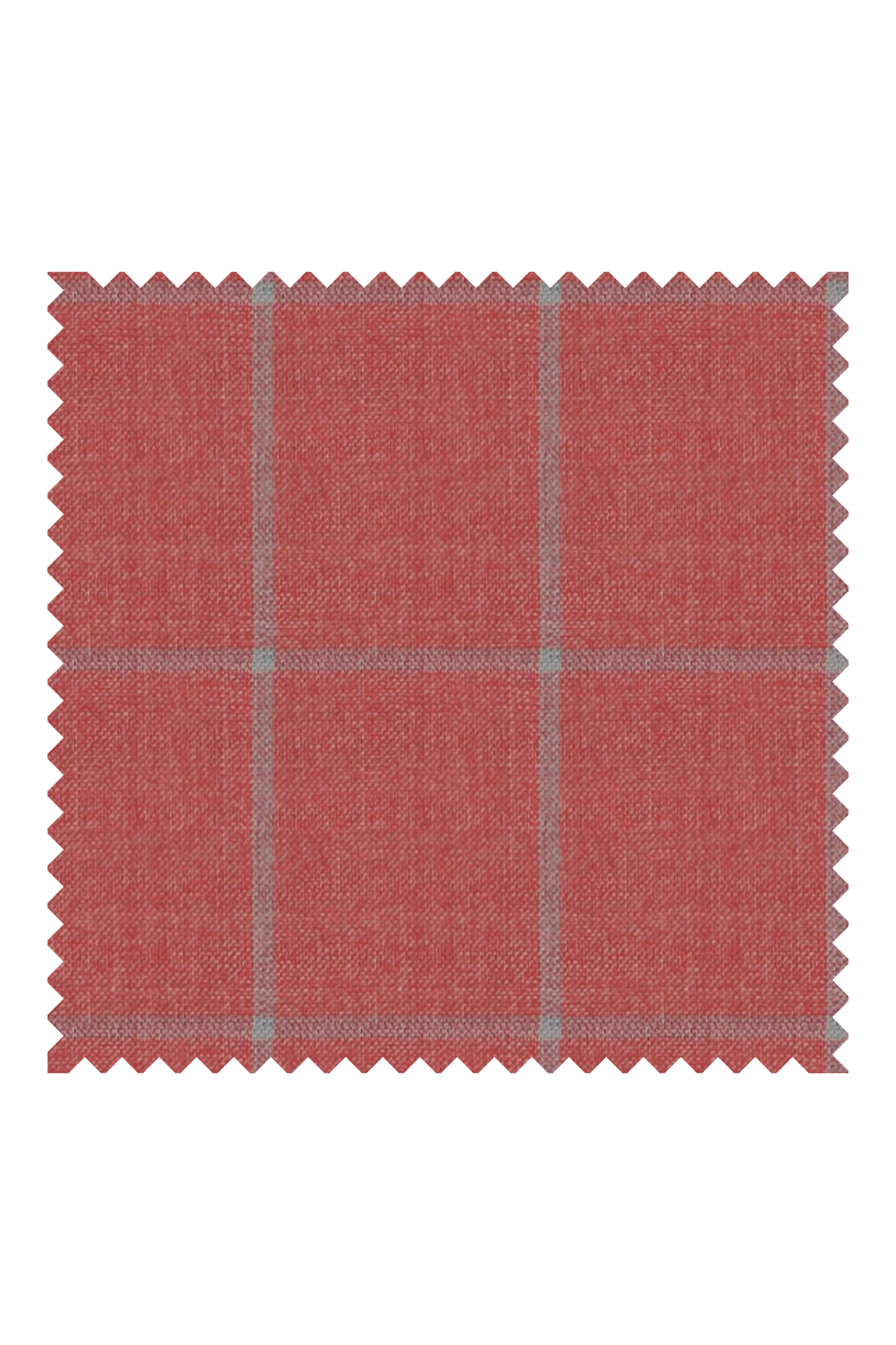
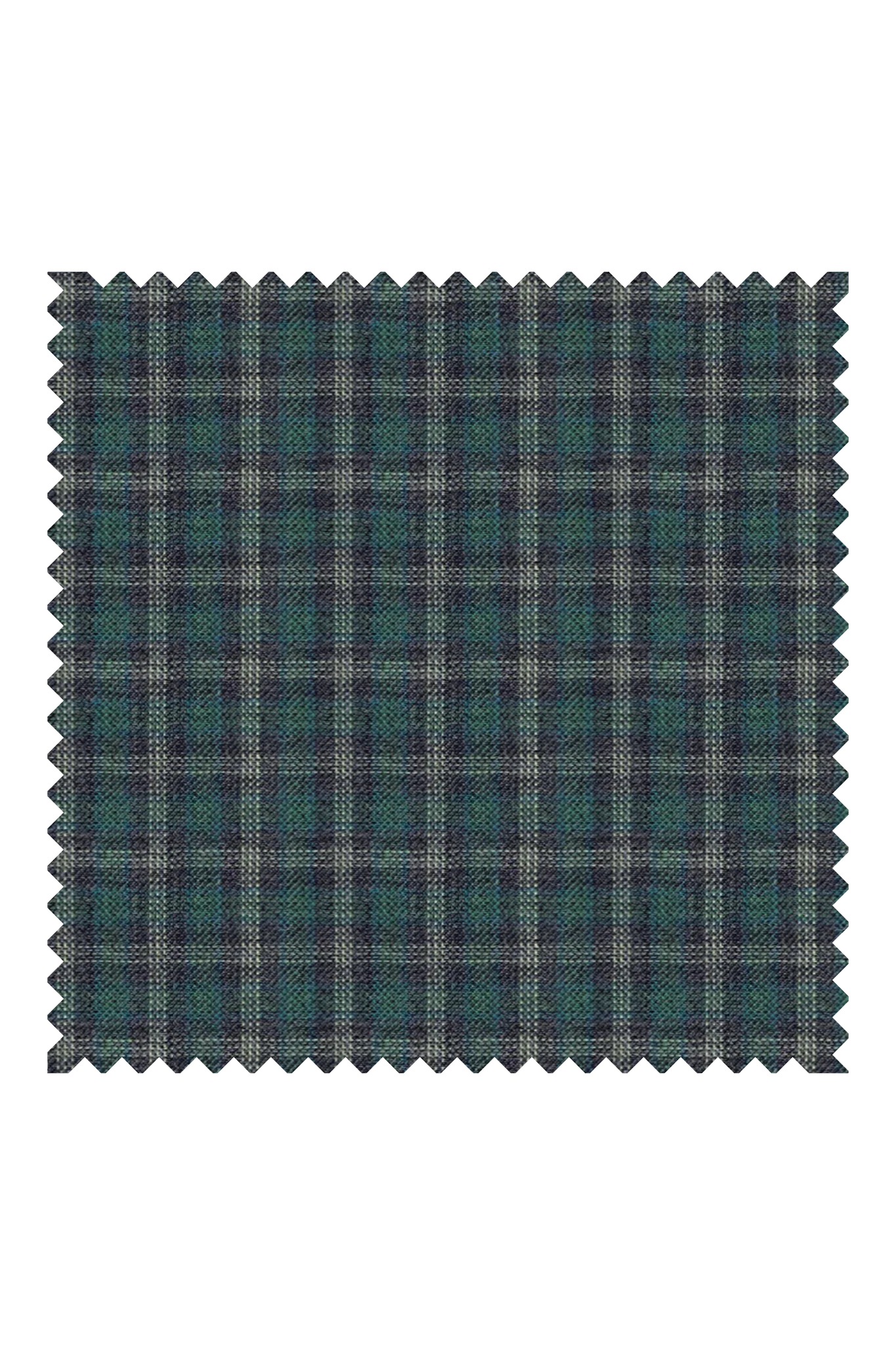
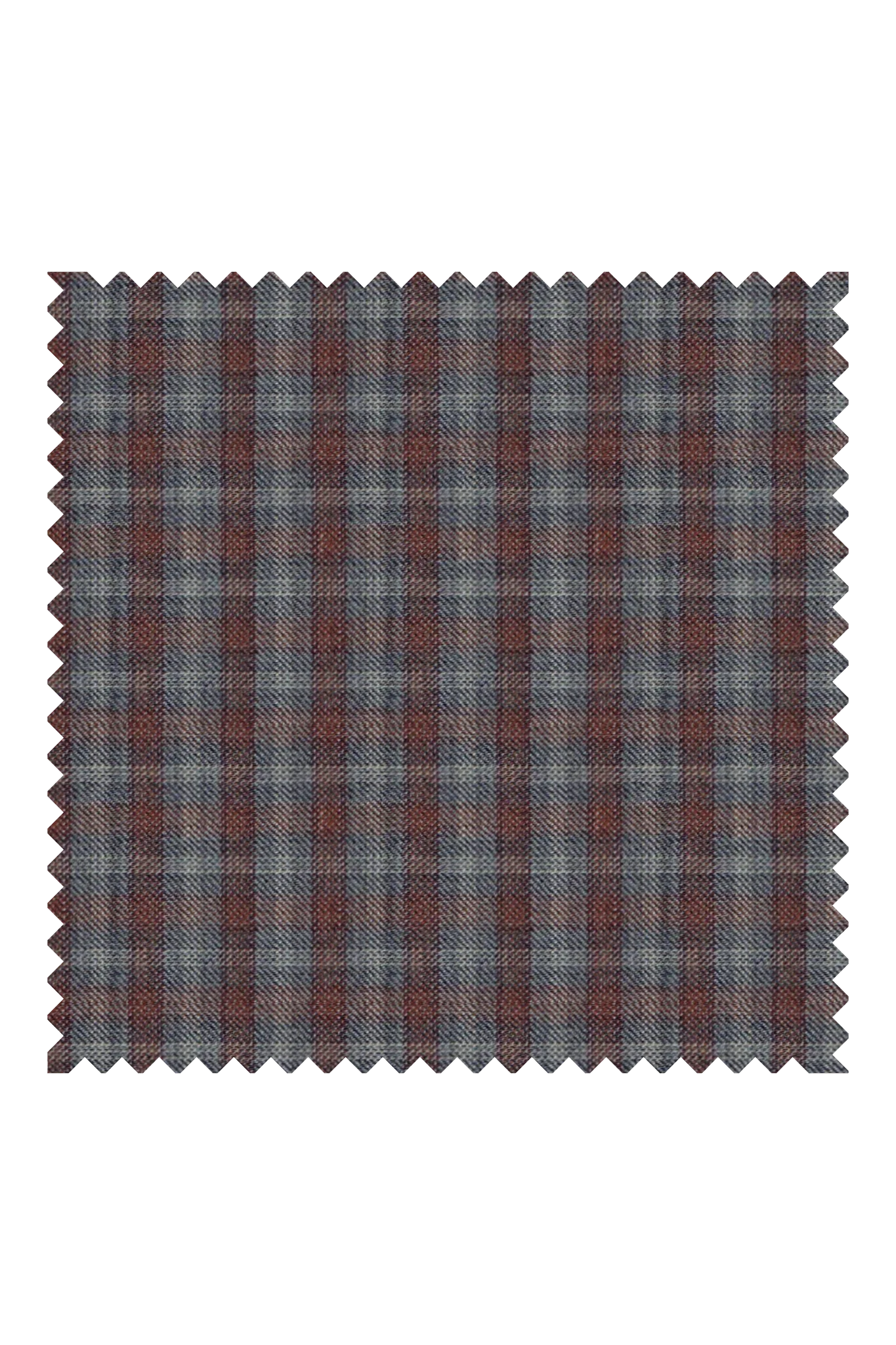
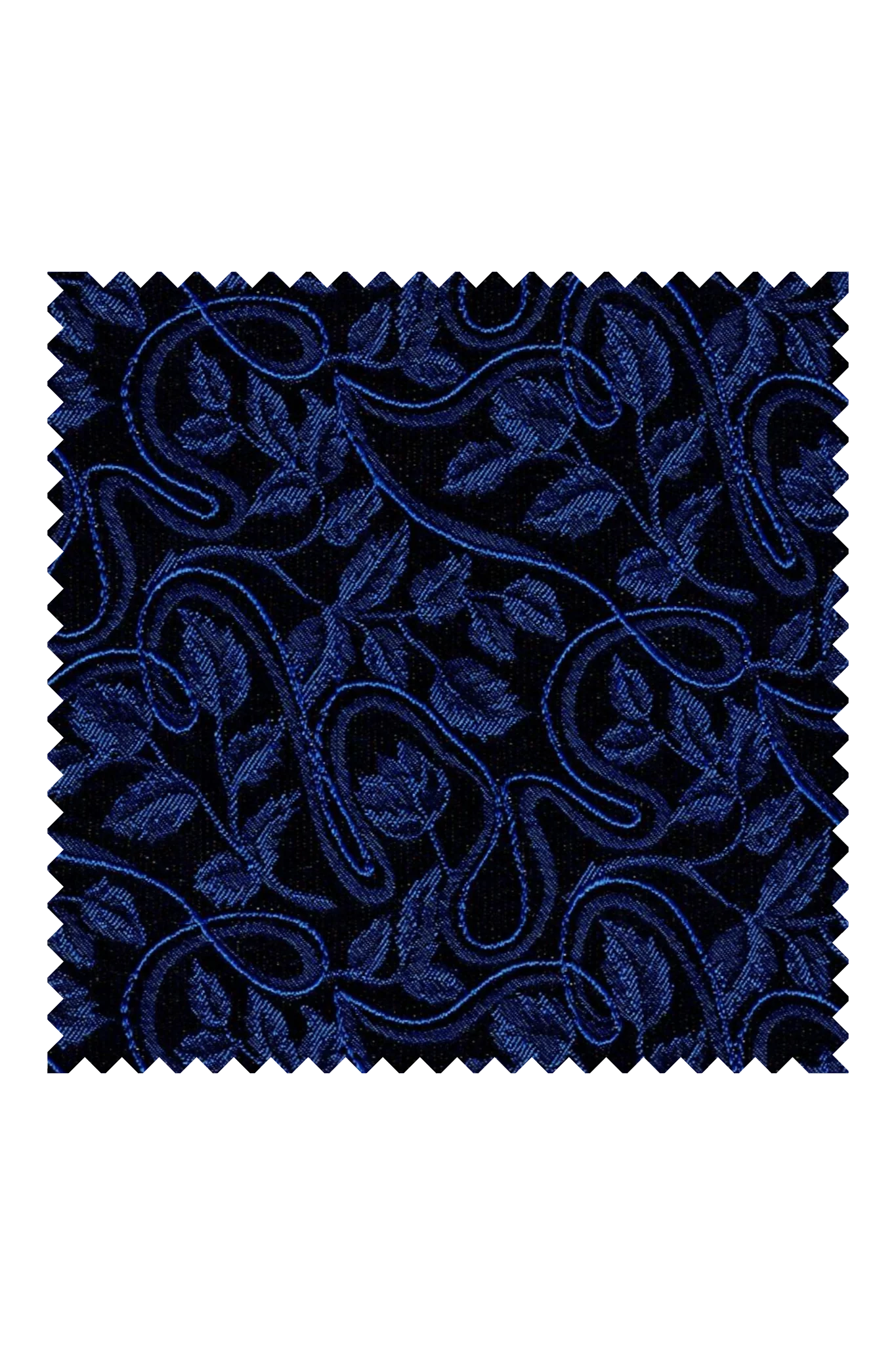
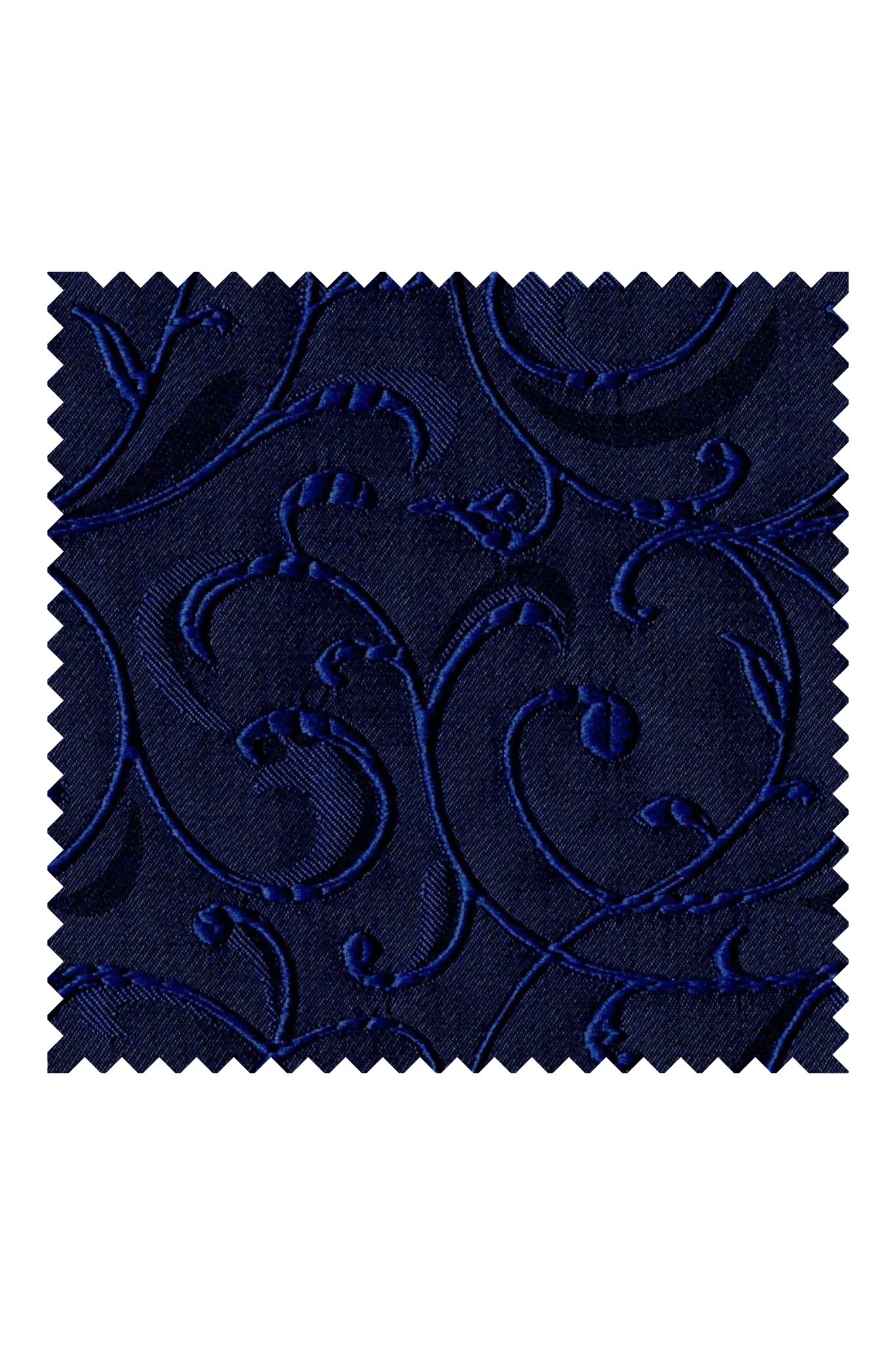
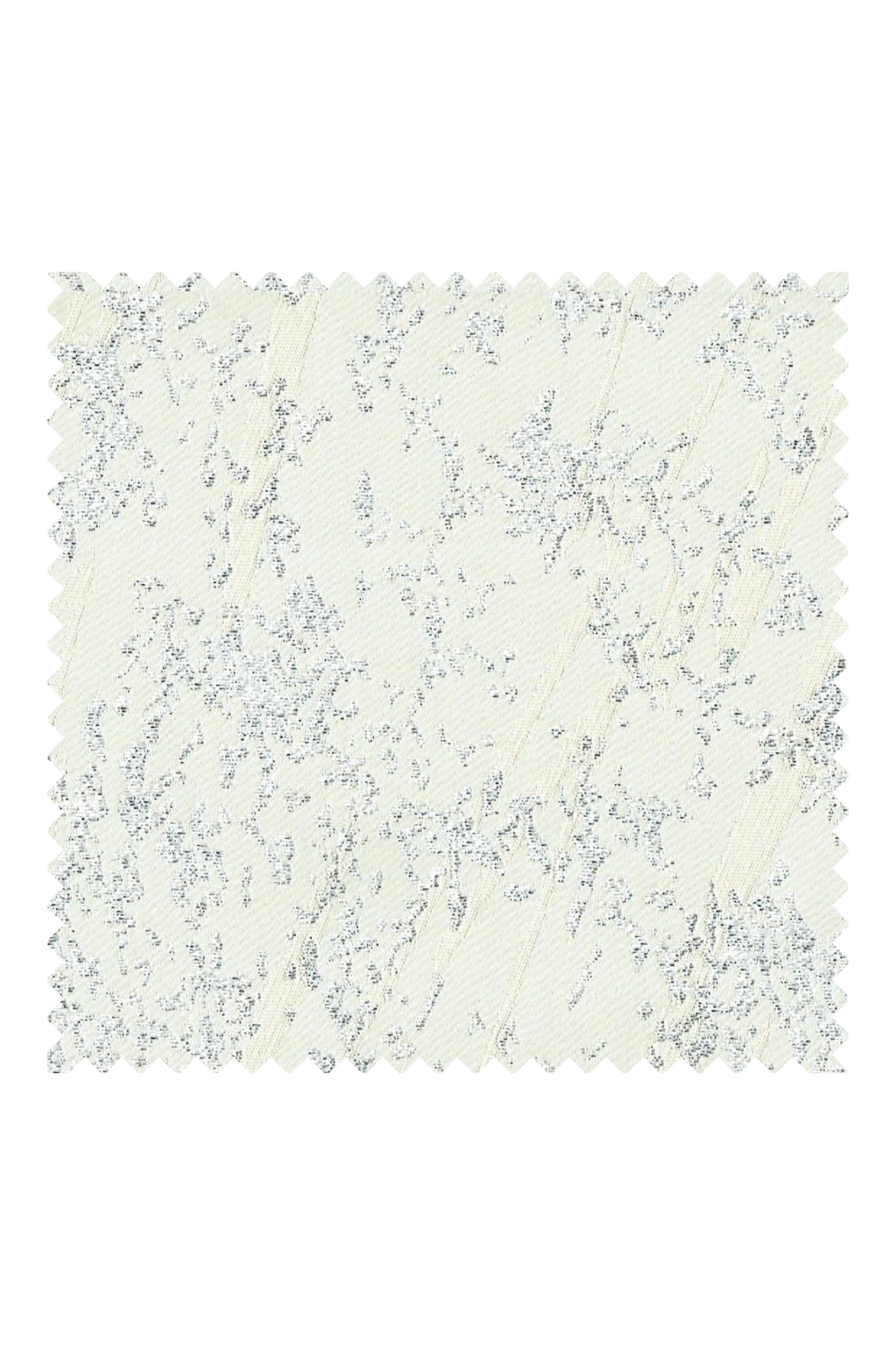
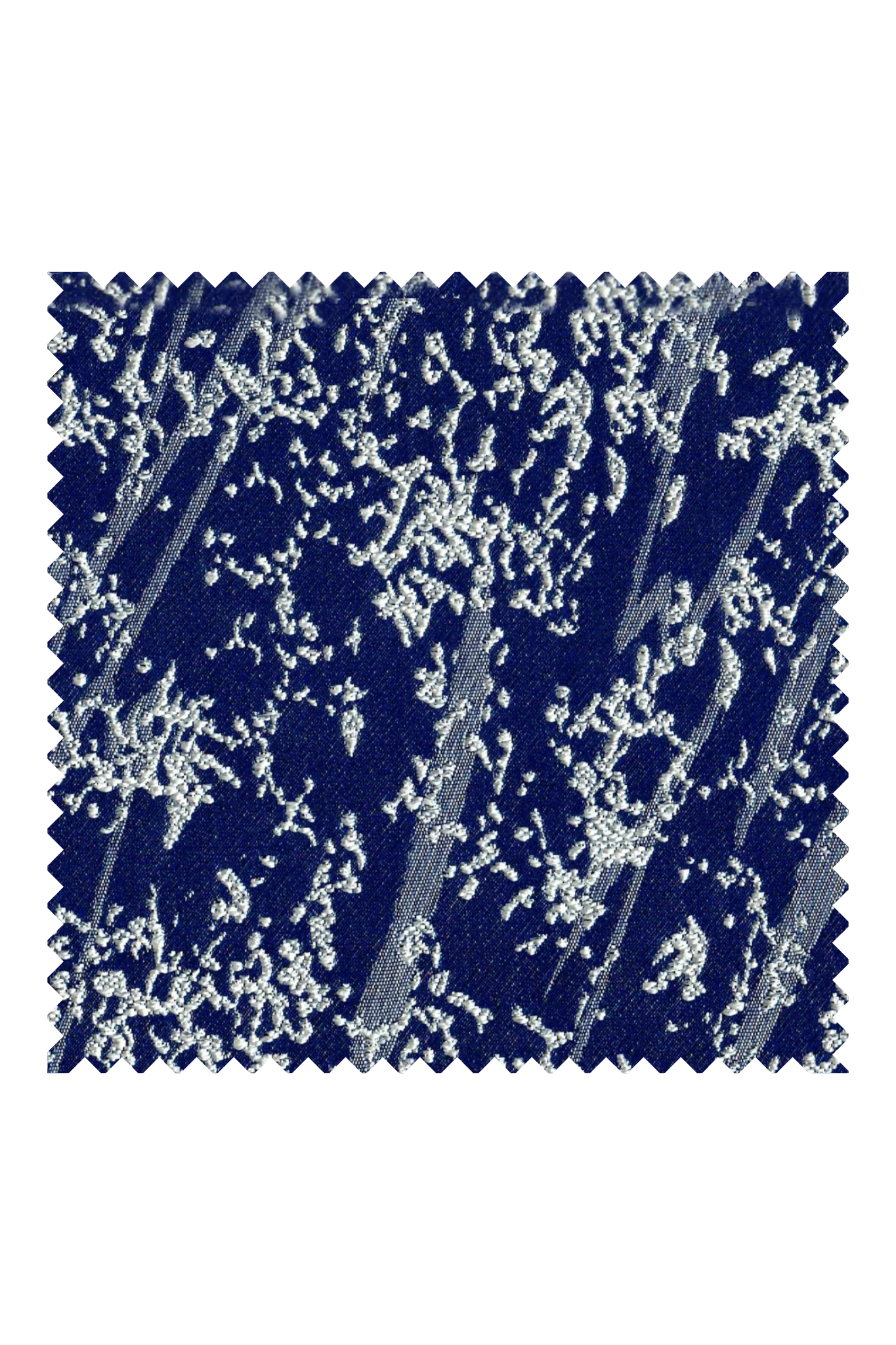

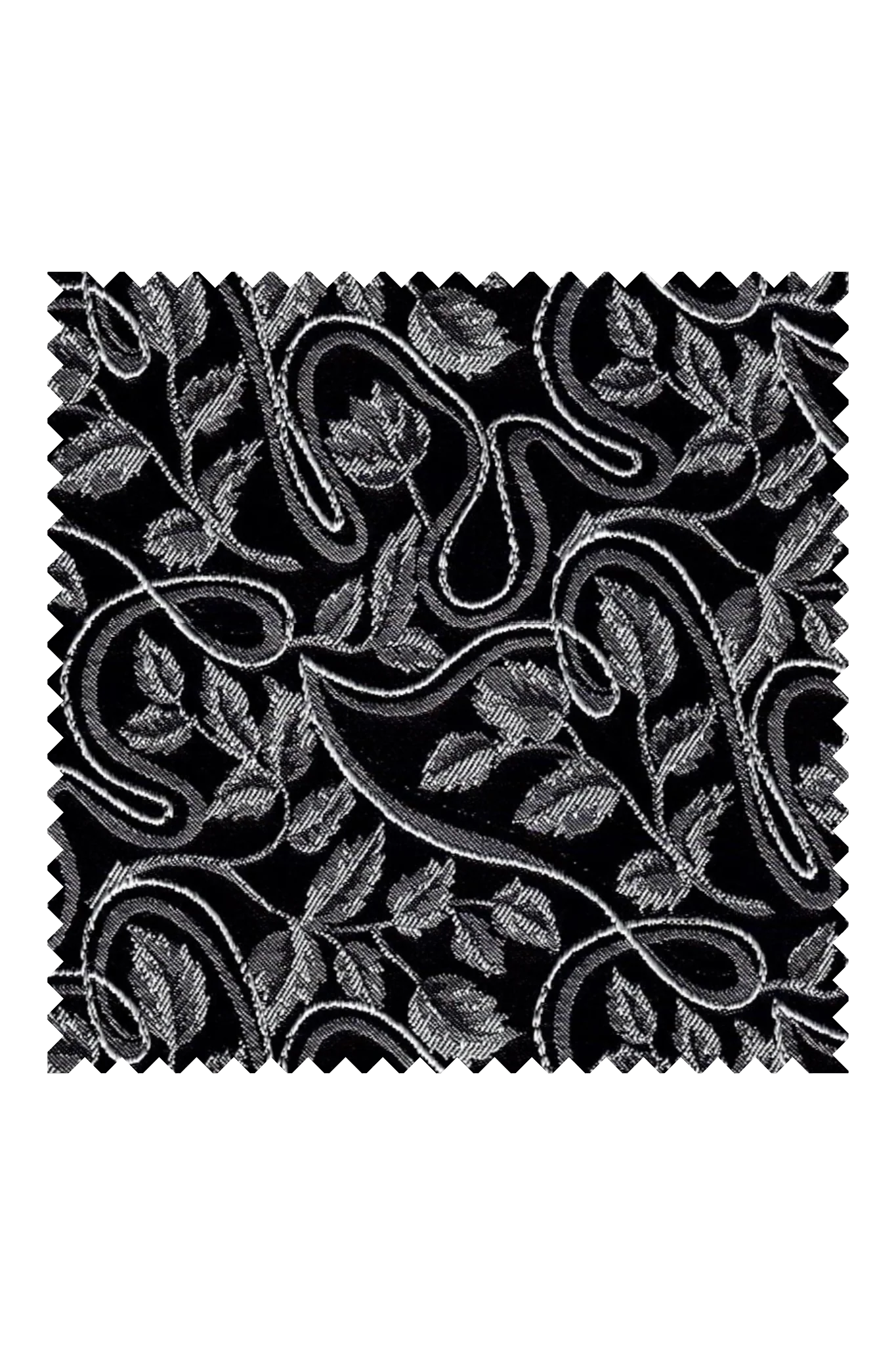
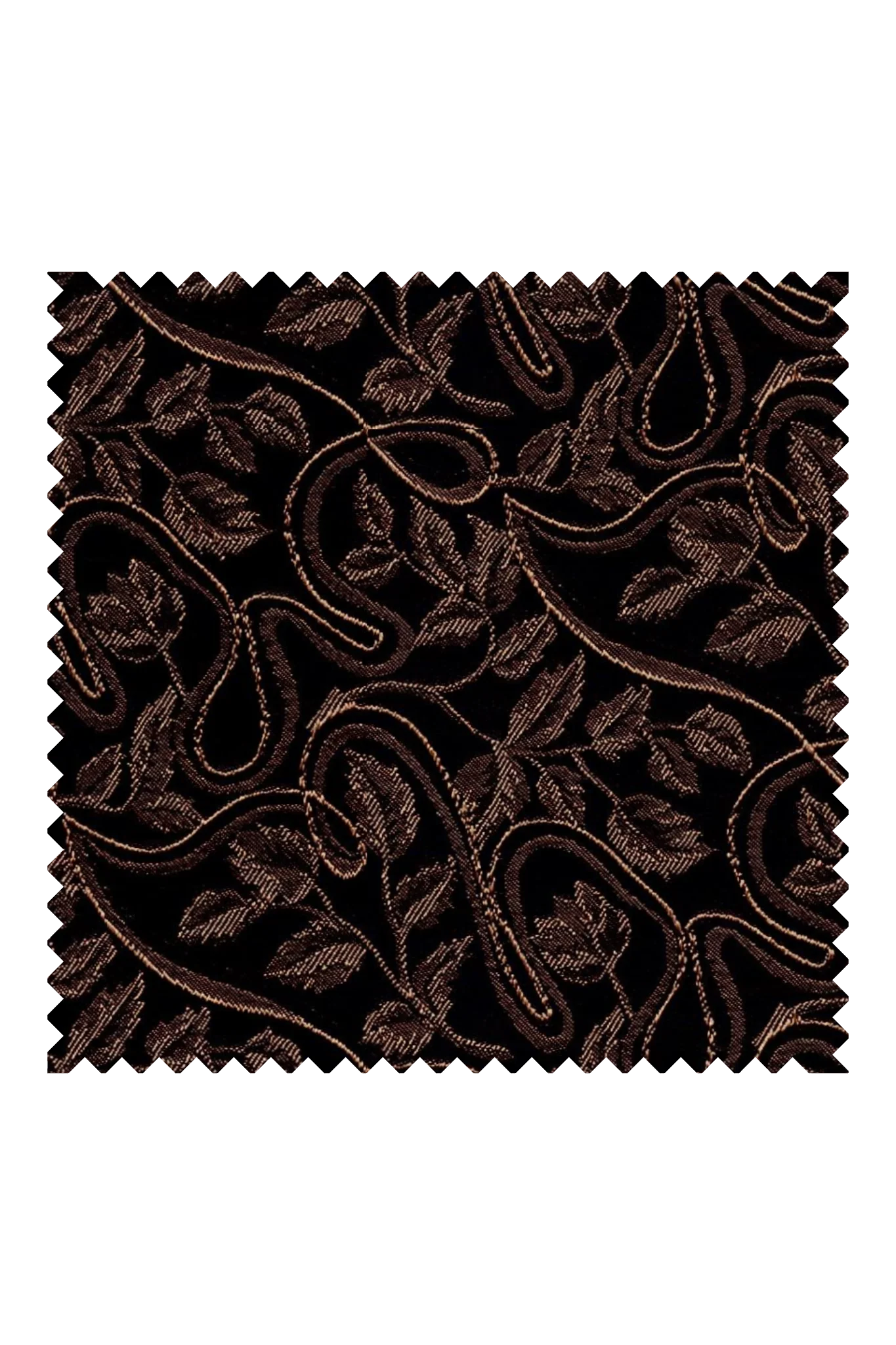
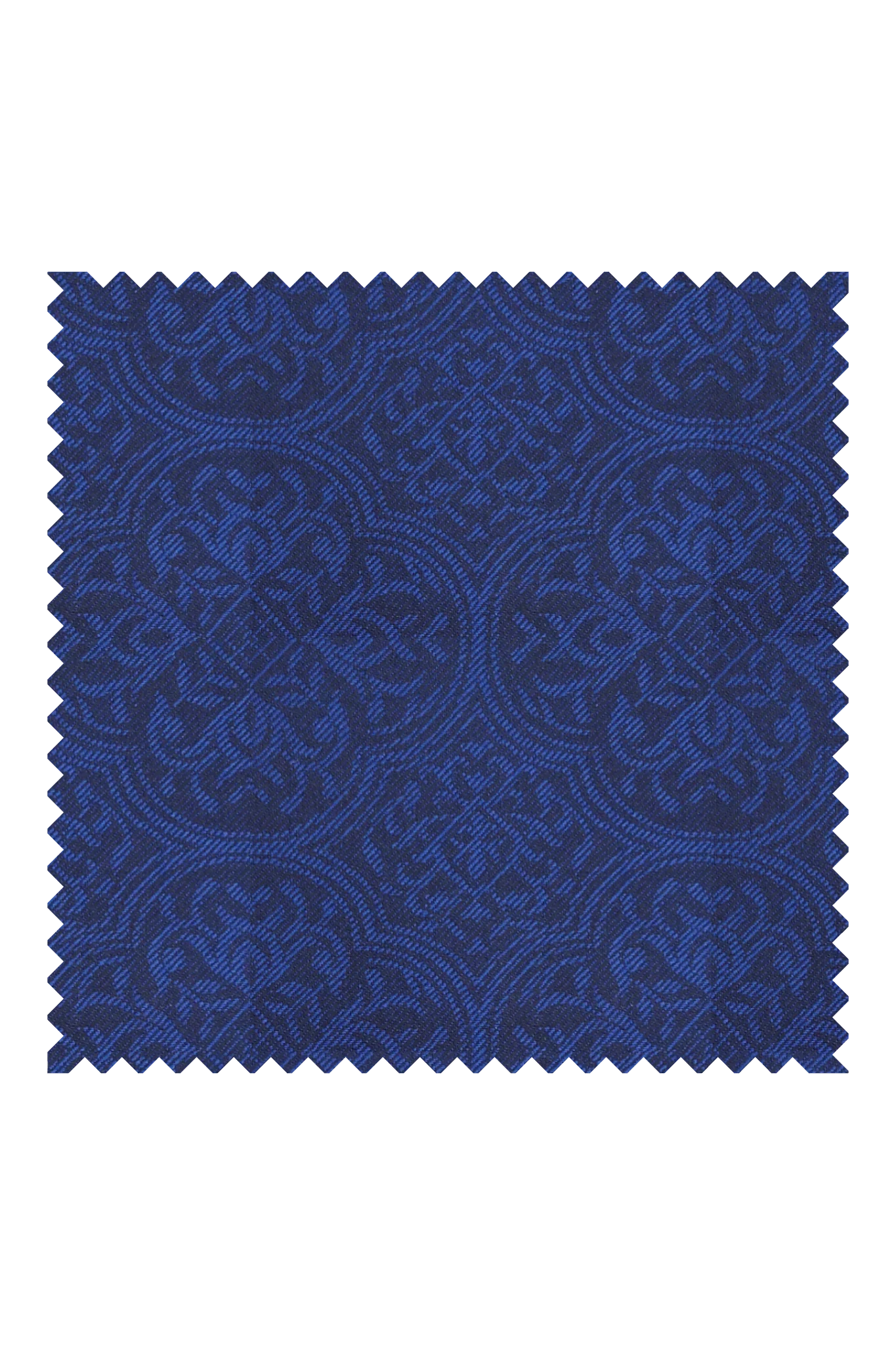
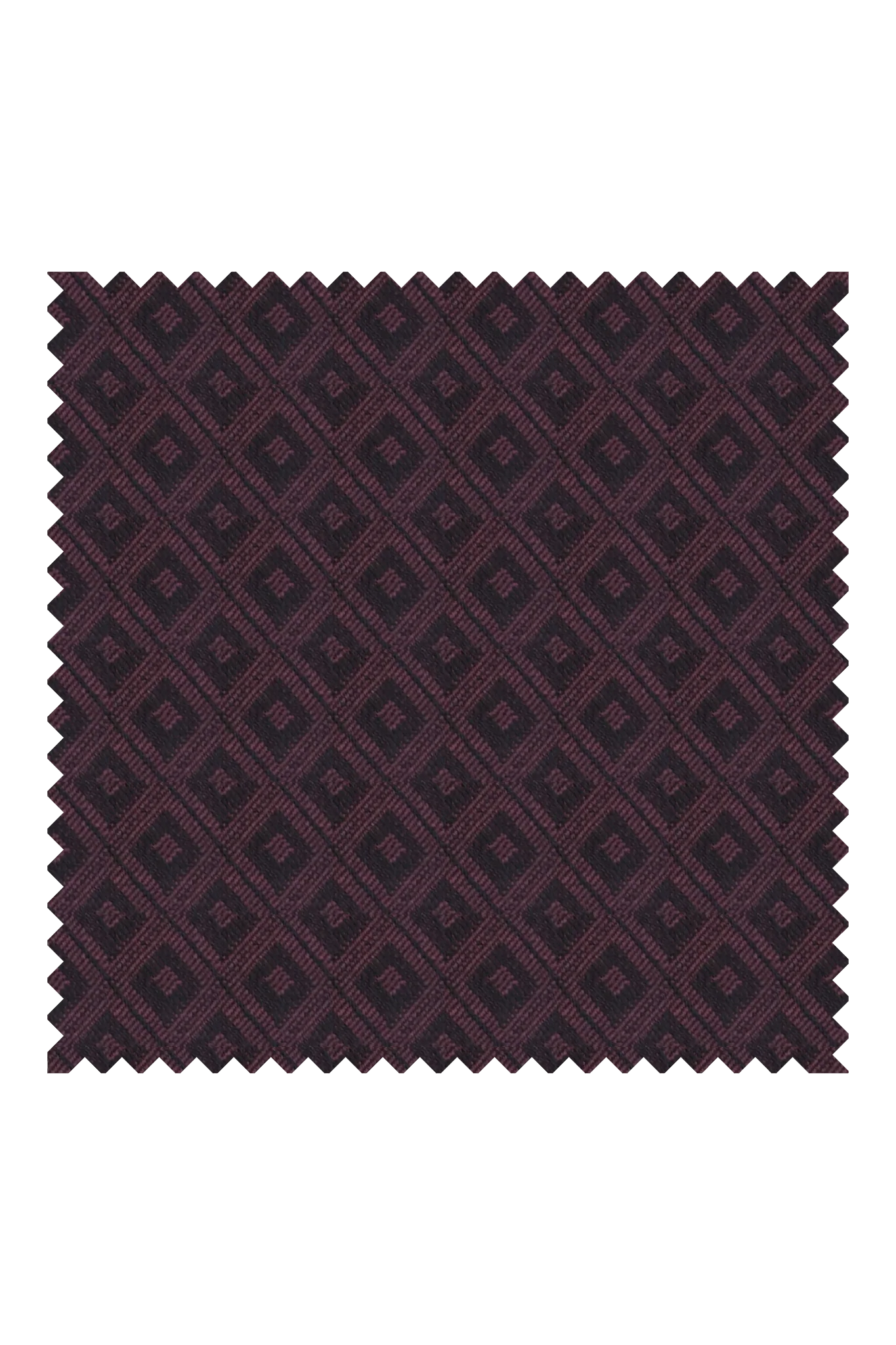
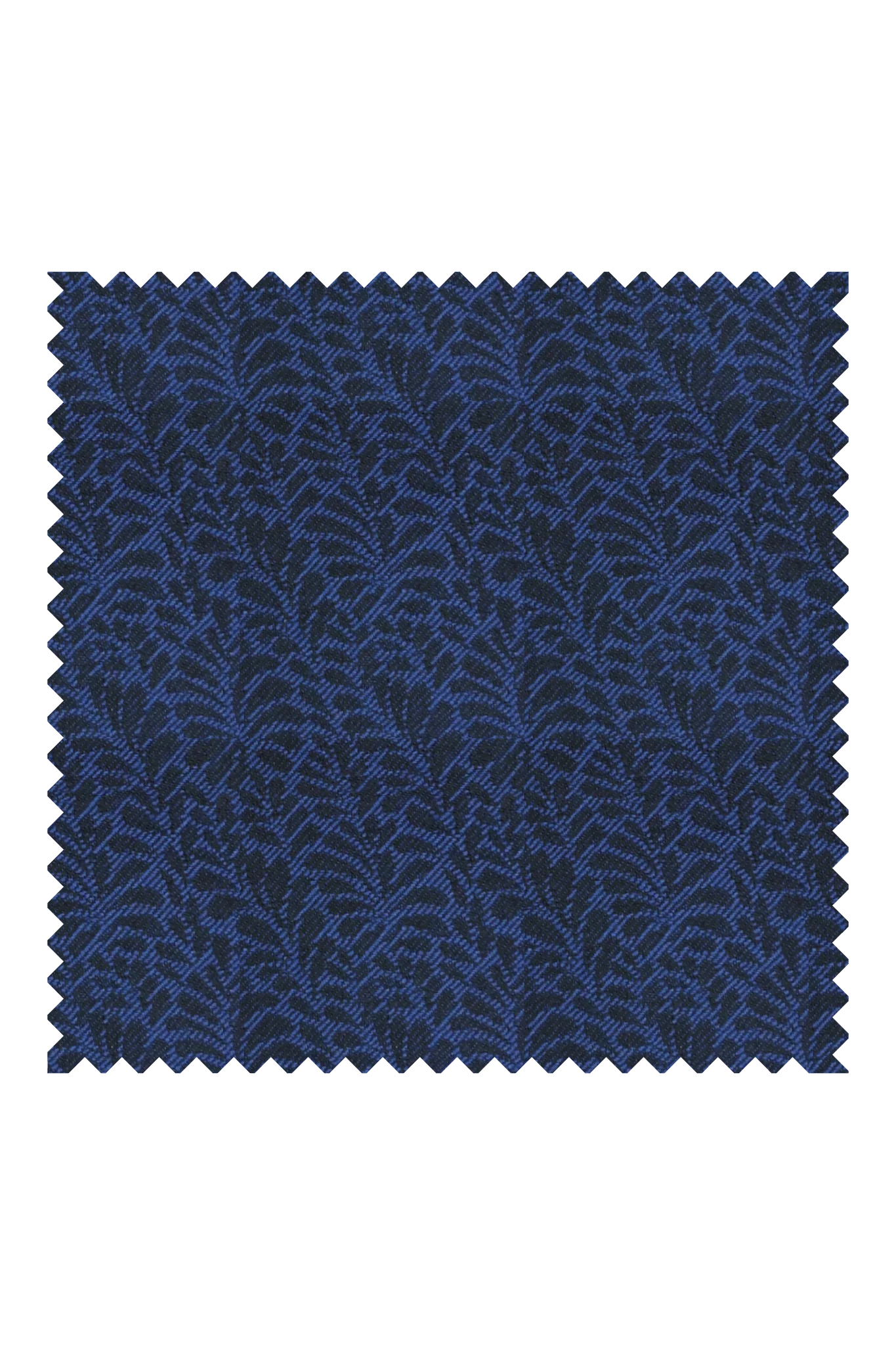
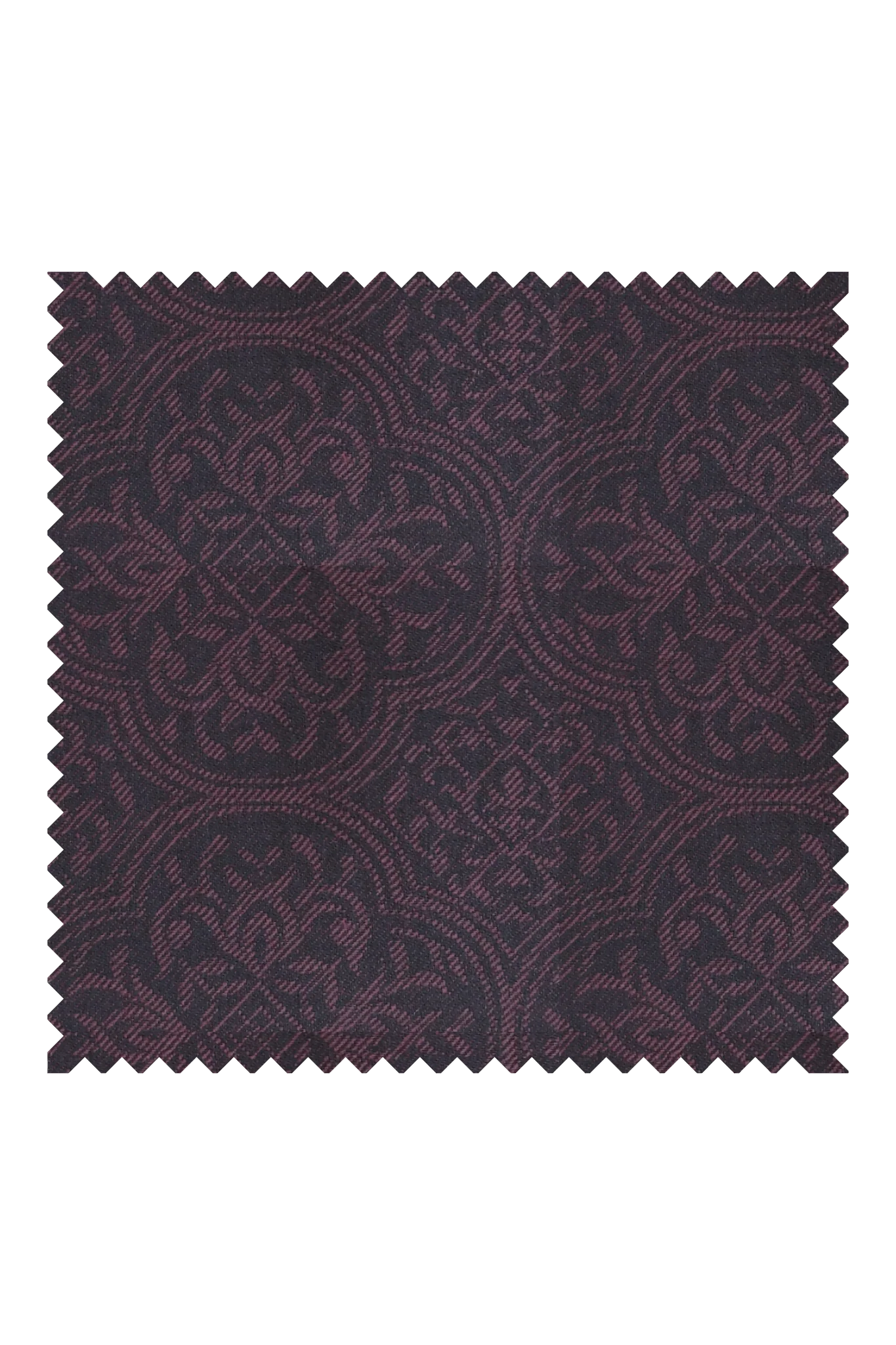
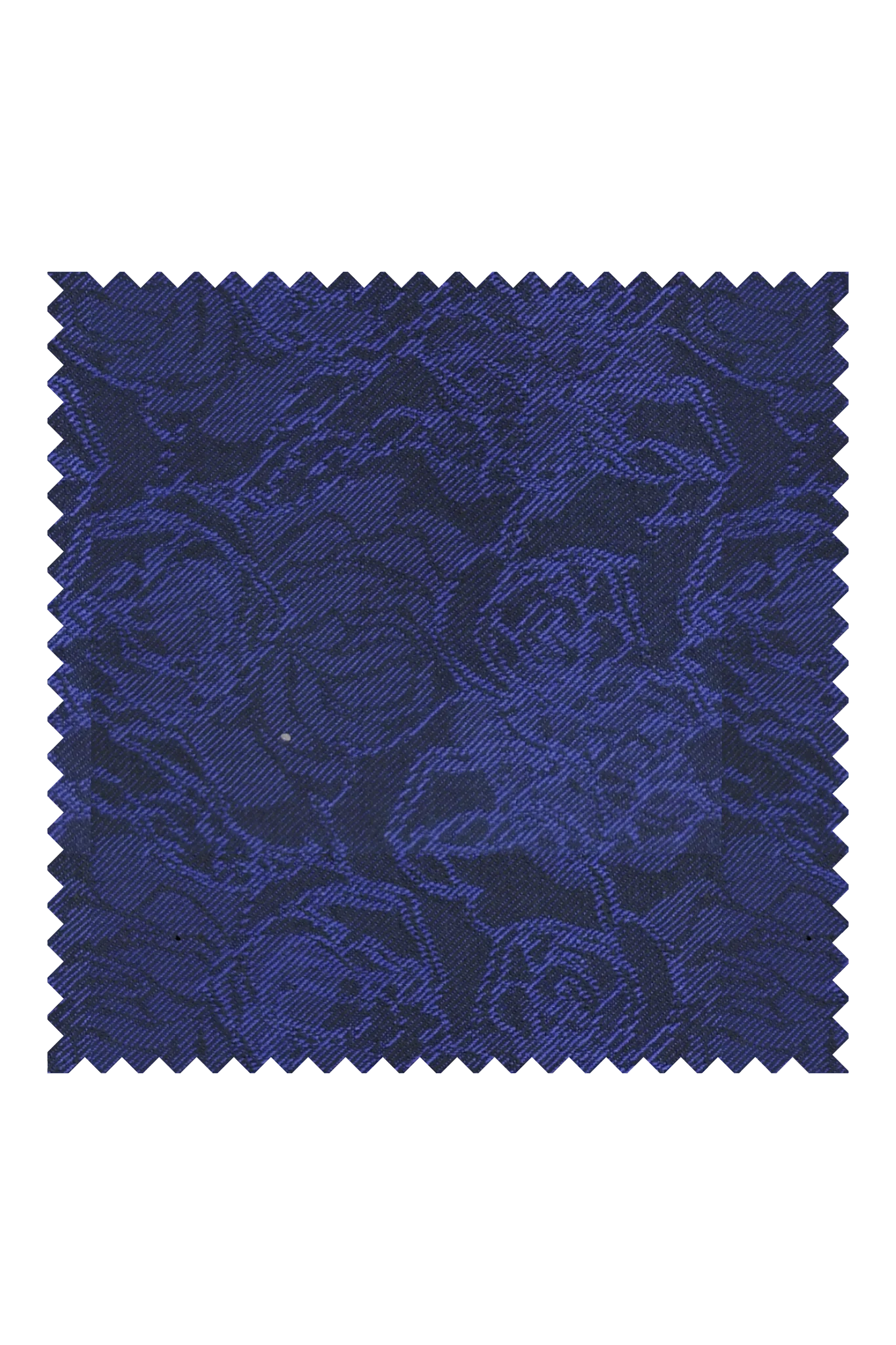
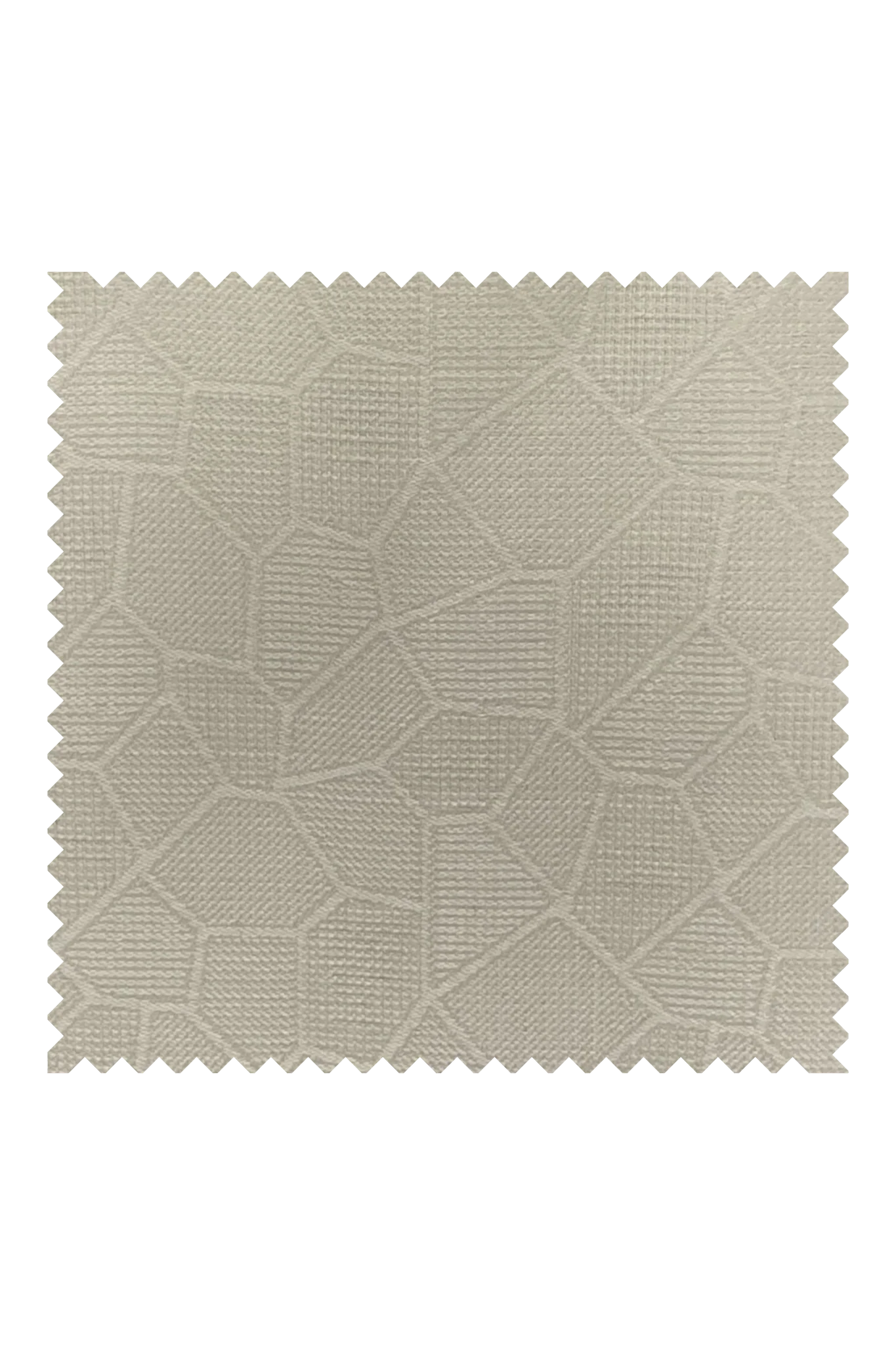
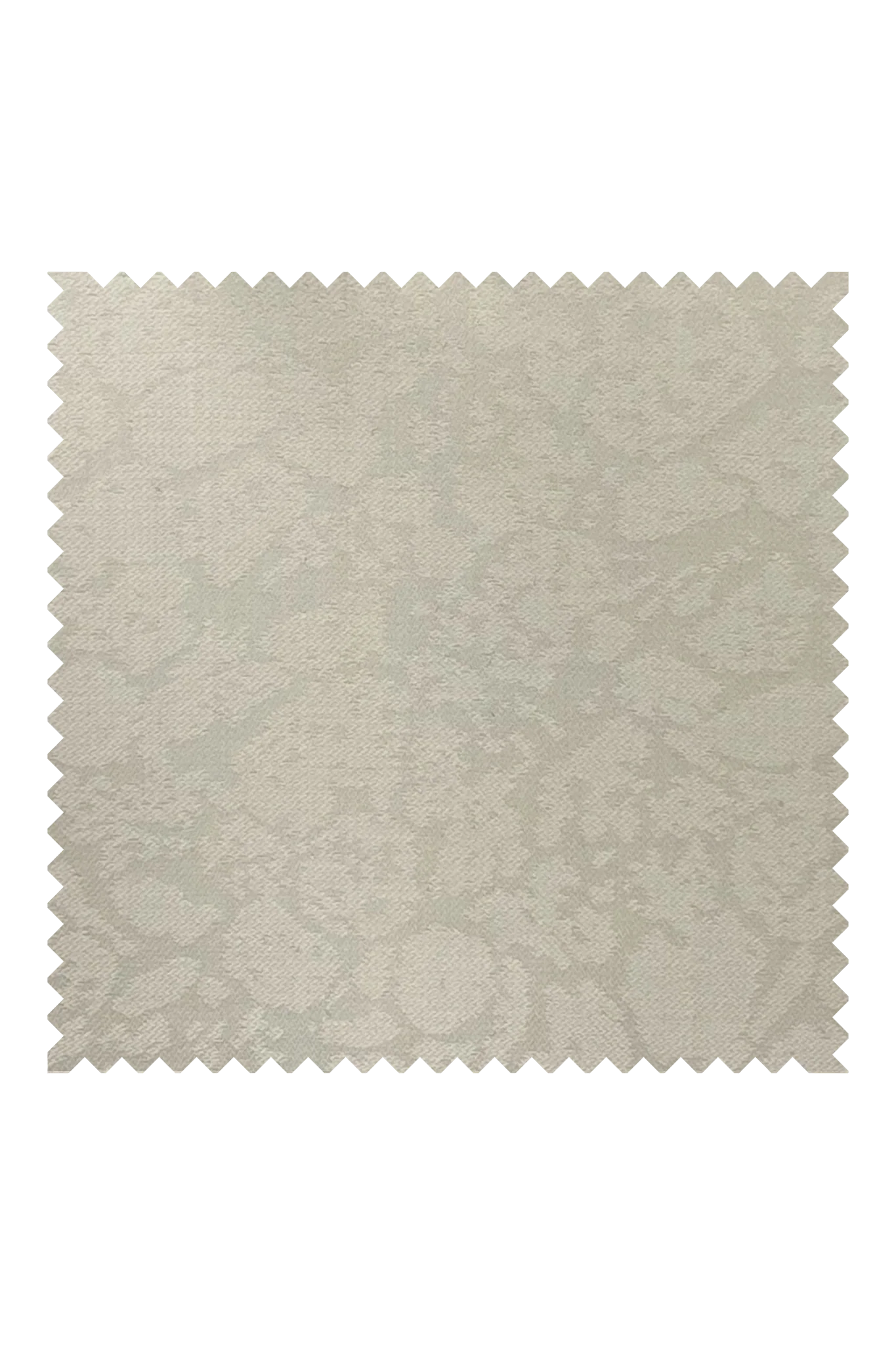
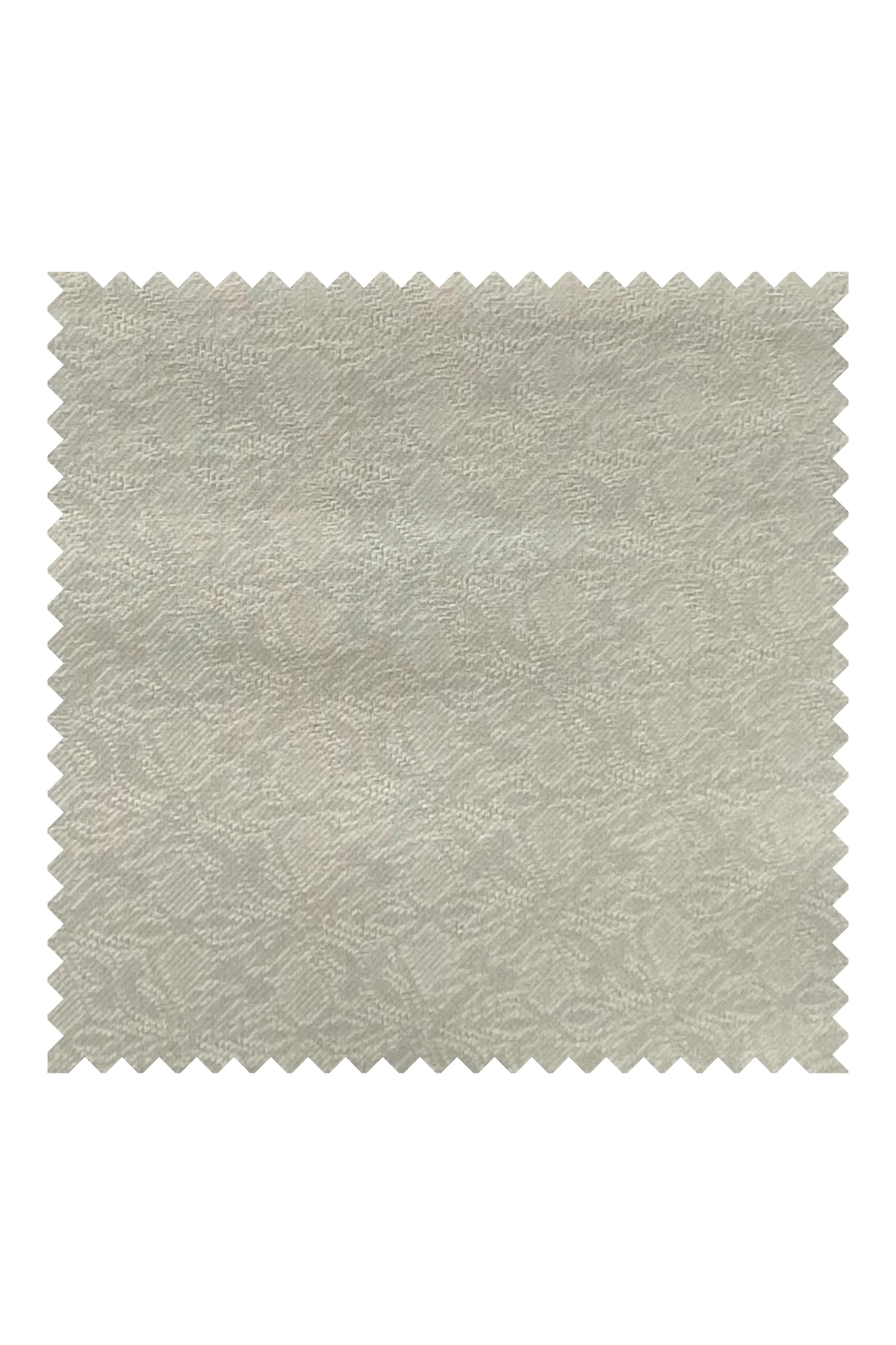
While every effort is made to present fabrics faithfully, colour, scale, and pattern may appear slightly different across screens and devices.
Suit Fabric FAQs
Practical guidance for India, the UK & the USWhat is the best suit fabric for business suits in India, the United Kingdom and the United States?
Across India, the UK and the US, the foundation business suit fabric is some form of wool, either pure worsted wool or a well‑engineered wool‑blend, tuned to the local climate. In India, where heat, humidity, and aggressive air‑conditioning collide, a tropical‑weight wool‑blend (typically a wool‑polyester or wool‑lycra blend) offers dignity, drape, and resilience for long, unpredictable days. In the UK, a 260–300 GSM Super 100s–120s worsted wool is ideal for cool, damp weather and carries the quiet authority British business culture expects. In the US, a 260 GSM mid‑weight wool or wool‑blend in a clean worsted finish works across most offices, with Wall Street still favouring pure wool in navy and charcoal, while more relaxed industries embrace lighter blends and softer construction.
What is the difference between 100% wool suit fabric and wool‑blend suit fabric?
A 100% wool suit fabric offers unmatched breathability, natural temperature regulation, and a beautiful drape that creates the clean, elegant lines tailors love, but it asks for more care and typically sits at a higher price point. Wool‑blend suit fabrics, for example wool‑polyester or wool‑lycra, trade a small amount of purity for significant practical gains: they are more durable, more wrinkle‑resistant, easier to care for, and usually more accessible in price, while modern blends can still feel remarkably close to pure wool. In India’s demanding climate, a well‑made 55–70% wool / 30–45% synthetic blend often makes the smartest daily business suit, surviving commutes, humidity, and long hours while keeping its press. Pure wool comes into its own once a gentleman has built his foundation wardrobe and is ready for suits chosen as much for pleasure and heritage as for performance.
Which suit fabric is best for summer weddings and outdoor events?
For summer weddings and outdoor events, the best suit fabrics are lightweight tropical wool or wool‑blend, ideally in open weaves such as fresco, hopsack, or other breathable worsteds that hold their shape while allowing air to move. For Indian weddings, where celebrations are long and often multi‑day, a lightweight wool‑blend in beige, champagne, soft blue, or ivory photographs beautifully and stays presentable from ceremony to reception. Linen and linen‑blends are superb for relaxed beach or garden weddings, where their natural wrinkling becomes part of the charm, while cotton and seersucker suits are excellent for casual daytime events and are particularly beloved in the American South. The most elegant summer wedding suit is the one that lets you look composed and comfortable while everyone else is quietly battling the heat.
What is the best suit fabric for all‑season office wear?
The most reliable all‑season office suit fabric for most professionals is a mid‑weight worsted wool or wool‑blend, cut in a clean twill, birdseye, or plain weave and finished in a matte or softly lustrous surface. In India’s air‑conditioned corporate environments, wool‑blend balances comfort during short outdoor walks with formality in the boardroom; in the UK and much of the US, a 260 GSM functions as a year‑round workhorse, with layering covering the colder months. For a practical foundation wardrobe, three such suits, a navy wool‑blend twill, a charcoal birdseye wool‑blend, and a mid‑grey pure wool plain weave, will take a gentleman through nearly every office setting, from first interviews to senior leadership meetings, in India, London, or Chicago.
How should I choose between solid, stripe and check suit fabrics for work and occasions?
Solids, stripes, and checks each send a different message, so the right choice depends on your work culture, seniority, and personality. Solid navy and grey suits are the most formal and versatile, forming the backbone of any professional wardrobe and working everywhere from job interviews and client meetings to sombre occasions. Pinstripes and chalk stripes project authority and are most at home in banking, law, and senior leadership roles, while checks, from subtle micro‑checks and nailhead patterns to bolder windowpanes and glen checks, introduce more personality and are best suited to business‑casual offices, creative industries, and occasions where a touch of flair is welcome. In Indian boardrooms, starting with three solid suits (navy, charcoal, and mid‑grey), then adding a subtle stripe or micro‑check, and finally a more pronounced windowpane or glen check is a sensible progression; and as a rule, the bolder the suit pattern, the simpler your shirt and tie should be.
What are the advantages and disadvantages of linen and cotton suit fabrics?
Linen and cotton are excellent warm‑weather alternatives to wool, but both come with trade‑offs. Linen is exceptionally breathable, naturally cool to the touch, and highly absorbent, with a beautiful, relaxed texture that suits beach weddings, garden parties, and casual summer tailoring; however, it wrinkles aggressively, offers less structure than wool, and rarely feels appropriate in very formal business or ceremonial settings. Cotton suits, from fine cotton drill to chino and seersucker, are comfortable, familiar, and often more affordable, with the added advantage that many can be washed more easily than wool, but they crease more than wool, absorb sweat rather than wicking it away, and sit below pure wool and high‑quality wool‑blends on the formality scale. For most men, linen and cotton suit fabrics are best treated as supplements for summer and leisure wear, while wool and wool‑blends remain the most versatile choice for year‑round business tailoring in India, the UK, and the US.