

Updated Jan 2026: Matches current norms across public sector banks, private banking, fintech & RBI offices in India.

In the high-stakes corridors of Mumbai’s BKC or Delhi’s Connaught Place, your suit is your first audit. Before you present a single ledger, your silhouette has already communicated your attention to detail. In Indian banking, style is a delicate tool of professional precision rather than an indulgence.
89% of clients say they judge a banker’s trustworthiness within 10 seconds, based on what they’re wearing.
Inside This Guide
Your suit isn’t just fabric. It’s credibility. Authority. Silence that says: “I manage money. I don’t gamble with it.”
Whether you’re walking into SBI in Delhi, HDFC in Mumbai, or a fintech startup in Bangalore, this guide gives you EXACTLY what to wear, and what to avoid.
No fluff. No fashion jargon. Just proven formulas that make Indian bankers look and feel, like they belong.
The Golden Rule: Fit > Brand
Repeat after us: “It’s not about Hugo Boss. It’s about how the Boss fits.”
An ill-fitting ₹100,000 suit screams, “I don’t pay attention to detail.”
A crisp, perfectly tailored ₹20,000 suit says: “I respect this institution and its clients.”
Get these three things right: shoulders, sleeve length, and waist taper. Everything else is secondary.
The Banker’s Suit Colors
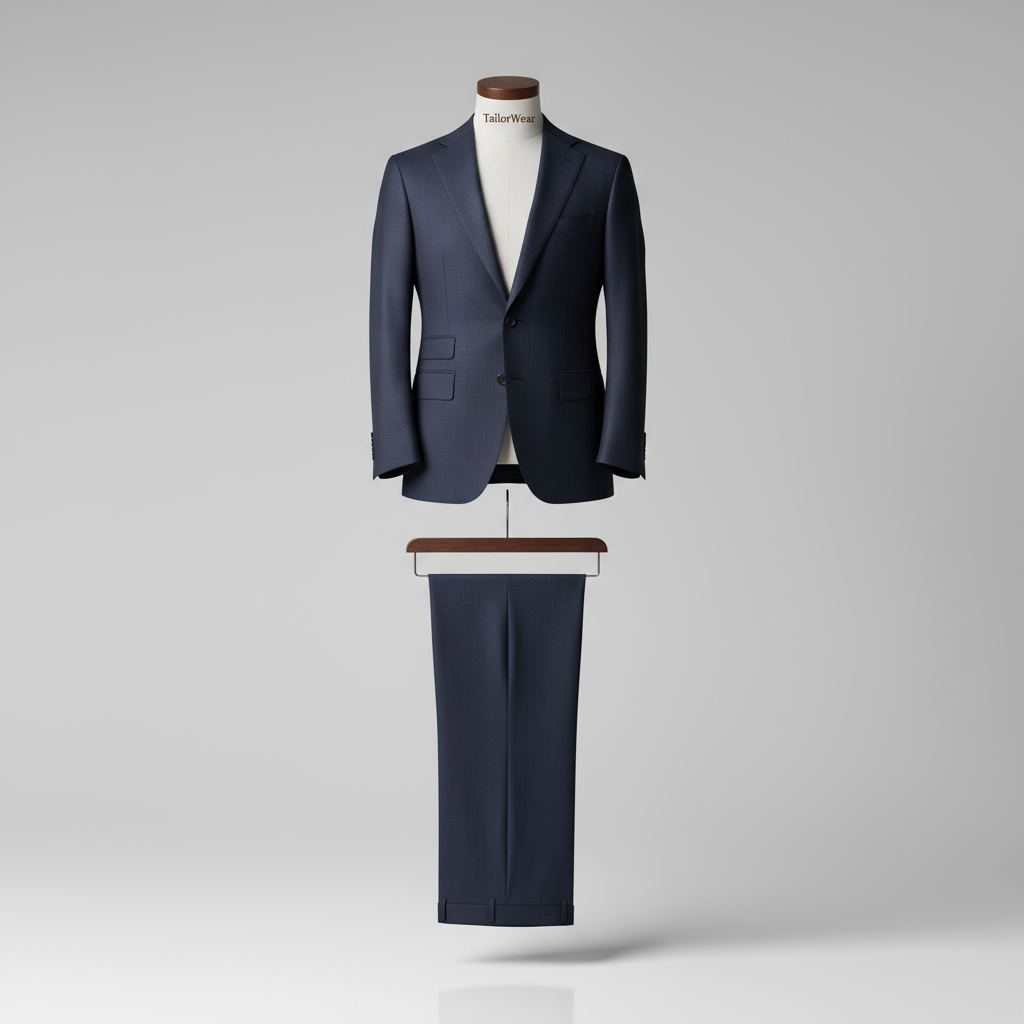
✅ DO WEAR:
- Navy Blue → Universal symbol of trust, authority, calm. Works everywhere.
- Charcoal Gray → Modern, powerful, slightly less formal than navy. Great for private banks/fintech.
- Medium Gray → Approachable, professional, perfect for client-facing roles.
🚫 AVOID:
- Black → Too harsh, funeral vibes – unless you’re in legal banking or wealth management.
- Brown/Tan → Uncommon in India – looks mismatched, unserious.
- Bright Colors → Red, green, purple – screams “salesman”, not “steward”.
Shirt, Tie & Accessories: The Devil’s in the Details
✅ Shirts:
- Crisp white or light blue – no stripes, no logos, no sheen
- Cotton or cotton-poly blend – breathable but wrinkle-resistant
- Collar: Classic point or spread – never button-down in conservative banks
✅ Ties:
- Silk, 7–9cm width – not skinny, not wide
- Solid color or subtle diagonal stripe – burgundy, navy, forest green
- NEVER: Cartoons, loud patterns, shiny finishes, unless you are the boss AND are not meeting clients. Still avoid because juniors learn from seniors.
✅ Watch:
- Minimalist dial, leather strap – no chronographs, no smartwatches
✅ Belt:
- Match shoes exactly – black belt with black shoes
- Leather, minimal buckle – no logos, no studs
✅ Portfolio/Briefcase:
- Slim leather, no visible branding – carry even if everything’s digital
- Bonus: Monogrammed initials (subtle, bottom corner)
✅ Cologne:
- Zero or 1 spray max – behind ears, not clouds
- Never enter elevator smelling like a mall
Shoe Rules: What’s Acceptable (and What’s Fired)
| Shoe Type | Banking Safe? | Notes |
|---|---|---|
| Black Leather Oxfords | ✅ YES | Polish weekly. No scuffs. Cap-toe preferred. |
| Brown Brogues | ⚠️ Maybe | Only in modern/private banks. Rare in PSUs. |
| Loafers | ❌ Rarely | Too casual. Avoid unless explicitly allowed. |
| Suede Shoes | ❌ NEVER | Unprofessional, absorbs dirt, impossible to clean. |
| Sneakers | ❌ NEVER | Even all-black — avoid completely in traditional banks. |
7 Deadly Fashion Mistakes Indian Bankers Make (Avoid These!)
Even ONE can damage your credibility regardless of your MBA or 5 years’ experience.
- Wrinkled or stained shirt → Iron night before. Check collar & cuffs.
- Mismatched belt & shoes → Brown shoes? Brown belt. Black shoes? Black belt.
- Loud or cartoon tie → Stick to solids or subtle stripes. No Disney, no flags.
- Visible sock logos → Wear solid dark socks — no Nike swoosh peeking above shoe.
- Scuffed briefcase or portfolio → Looks careless. Wipe weekly.
- Wearing the same suit 3 days in a row → Rotate 2–3 suits. Clients notice.
- Unkempt or long hair → Even if it looks good on you. Clients hate it on a banker.
- Too much cologne → Skip it. Or 1 spray max — not a perfume counter.
⚠️ Bonus Mistake: Slouching at the desk or crossing arms during a client meeting. Posture = power.
Outfit Formulas: Interview vs Daily vs Client Meeting
➤ Interview
- Navy suit + white shirt + burgundy silk tie + black oxfords
- Leather portfolio + minimal watch
- No pocket square (too flashy for first impression)
➤ Daily Office
- Charcoal suit + light blue shirt + gray/silver tie + black oxfords
- Optional: Subtle pocket square (white or gray)
- Keep spare shirt/tie in locker
➤ Client Meeting
- Medium gray suit + white shirt + silk pocket square + polished shoes
- Cufflinks (if French cuff shirt) — simple, metal, no stones
- Confidence > clothing — but clothing enables confidence

In modern private banks and fintech firms, a full suit isn’t always required. On more relaxed days, we recommend the Italian ‘Spezzato’ approach. Learn the rules for high-stakes mismatching in our [Spezzato Strategy for Professionals].
Science Says: Your Outfit Changes How Clients See You
✅ A well-fitted suit increases perceived competence by 42%
✅ Polished shoes signal attention to detail → critical in finance
✅ When you feel sharp, you speak clearly, sit taller, own the room
Final Checklist: Banker Ready in 10 Minutes
☐ Suit steamed, spotless, hung ready night before
☐ Shoes polished, laces tied, soles clean
☐ Belt matches shoes exactly
☐ Nails trimmed, breath fresh, hair combed
☐ Portfolio with pen + extra business cards
☐ Phone on silent in bag — not on desk
☐ Arrive 10 mins early — never “on time”
Ready to Walk In Like You Manage Money?
Banking Attire: Professional FAQs
What is the standard dress code for public sector banks (PSBs) in India?
For PSBs like SBI or PNB, the standard is ‘Conservative Formal.’ This typically means a light-colored formal shirt (white, light blue, or cream) paired with dark formal trousers and polished black leather shoes. While a full suit isn’t mandatory for daily operations, it is expected during audits, regional meetings, and official bank functions.
Are brown shoes acceptable in private banking or wealth management?
In high-tier private banking (like HDFC, ICICI, or Kotak), **Dark Tan or Dark Brown** leather shoes are acceptable when paired with a Navy Blue or Charcoal Grey suit. However, for the highest level of formality or board-level meetings, Black Oxfords remain the safest and most authoritative choice.
Can I wear a Bandhgala (Jodhpuri Suit) for a bank interview?
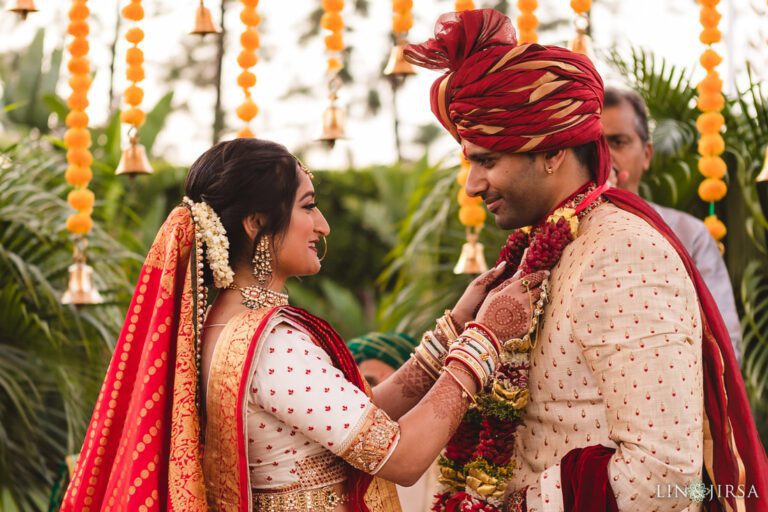
Absolutely. A well-tailored **Bandhgala** in a solid dark color like Navy or Graphite is considered ‘Indian Formal’ and is highly respected in the Indian banking hierarchy. It projects a sense of disciplined heritage and executive presence that a standard Western suit may lack.
Should a banker’s tie be patterned or solid?
In finance, subtlety is strength. Opt for **Solid silks** or ‘Regimental’ diagonal stripes in deep shades of burgundy, navy, or forest green. Avoid loud prints, floral patterns, or excessive sheen, as these can distract from the seriousness of financial discussions.
Is a white shirt mandatory for daily bank wear?
While white is the ultimate professional canvas, it is not mandatory. Light Blue, Lavender, and subtle micro-checks are perfectly appropriate. However, ensure the collar is stiff and the fabric is a high-quality cotton twill that resists wrinkling during a 10-hour workday.
What is the ‘No-Go’ list for banking accessories in India?
Avoid oversized sports watches, flashy gold jewelry, and heavily branded belts. A banker’s accessories—watch, pen, and portfolio—should be minimalist and functional. The focus should be on your expertise, not your gear.
Can Indian bankers wear Nehru Jackets (Bundi) on Fridays?
Yes, ‘Smart Casual Fridays’ in Indian banks often allow for a **structured Nehru Jacket** paired with a formal shirt and chinos. Ensure the jacket is in a professional fabric like matte silk or wool-blend to maintain an executive silhouette.
How many buttons should a banker’s suit jacket have?
The **two-button single-breasted suit** is the industry standard for global banking. It is versatile, timeless, and flatters most Indian body types. Double-breasted suits are more stylistic and are generally reserved for senior management or partners.
Are pocket squares appropriate for bank managers?
Yes, but keep it simple. A **White linen pocket square** in a clean ‘Presidential Fold’ (a straight horizontal line) adds a layer of sophistication without appearing flamboyant.
Why is ‘Fit’ more important than ‘Brand’ in banking?
In finance, an ill-fitting suit suggests a lack of attention to detail—a critical flaw for anyone handling capital. A bespoke or perfectly tailored suit communicates precision, discipline, and the fact that you invest in quality, which builds immediate client trust.













Thank you foor sharing this